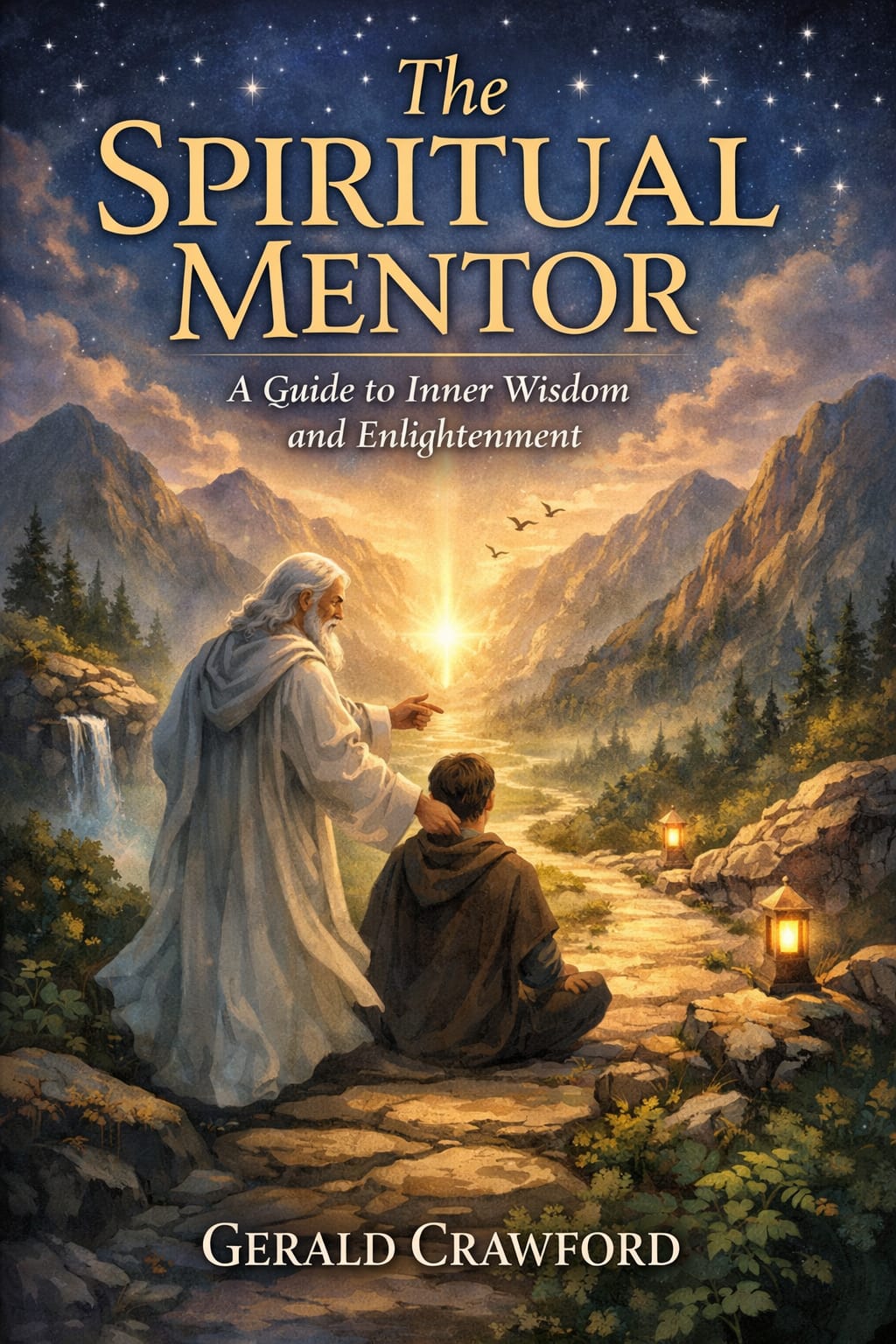
Spiritual mentorship is a relationship where we focus on fostering wisdom, personal development, and a deeper relationship with God.

Category: Discovering Your Spiritual Path

Discovering Your Spiritual Path – Introduction to various spiritual traditions and philosophies

Discovering Your Spiritual Path: Introduction to Various Spiritual Traditions and Philosophies

Exploring various spiritual traditions and philosophies can help you gain a deeper understanding of the spiritual landscape and find a path that resonates with you.

Spiritual Traditions and Philosophies

Here are some examples of spiritual traditions and philosophies:

1. Eastern Spirituality:

* Hinduism

* Buddhism

* Taoism

* Confucianism

2. Western Spirituality:

* Christianity

* Judaism

* Islam

* Gnosticism

3. Indigenous Spirituality:

* Native American spirituality

* Aboriginal Australian spirituality

* African spirituality

4. Modern Spirituality:

* New Age spirituality

* Humanism

* Existentialism

* Transhumanism

Key Concepts and Principles

Here are some key concepts and principles associated with various spiritual traditions and philosophies:

1. Eastern Spirituality:

* Reincarnation

* Karma

* Mindfulness

* Non-attachment

2. Western Spirituality:

* Monotheism

* Salvation

* Prayer

* Scripture

3. Indigenous Spirituality:

* Animism

* Totemism

* Shamanism

* Connection to nature

4. Modern Spirituality:

* Personal growth

* Self-actualization

* Holism

* Interconnectedness

Exploring Spiritual Traditions and Philosophies

Here are some ways to explore spiritual traditions and philosophies:

1. Read spiritual texts: read scriptures, philosophy books, and spiritual classics.

2. Attend spiritual services: attend church, synagogue, mosque, or temple services.

3. Practice spiritual practices: try meditation, yoga, or other spiritual practices.

4. Talk to spiritual leaders: talk to priests, rabbis, imams, or spiritual teachers.

5. Join spiritual communities: join online forums, social media groups, or local spiritual communities.

Tips for Exploring Spiritual Traditions and Philosophies

1. Be open-minded: approach different spiritual traditions and philosophies with an open mind.

2. Respect differences: respect the differences between spiritual traditions and philosophies.

3. Seek understanding: seek to understand the historical and cultural context of spiritual traditions and philosophies.

4. Reflect on your experiences: reflect on your experiences and insights gained from exploring spiritual traditions and philosophies.

Conclusion

Exploring various spiritual traditions and philosophies can help you gain a deeper understanding of the spiritual landscape and find a path that resonates with you. By being open-minded, respectful, and reflective, you can cultivate a deeper sense of spiritual awareness and connection.


Discovering Your Spiritual Path – Identifying your spiritual goals and aspirations

Discovering Your Spiritual Path: Identifying Your Spiritual Goals and Aspirations

Identifying your spiritual goals and aspirations is a crucial step in discovering your spiritual path. This process helps you clarify what you want to achieve on your spiritual journey, providing direction and purpose.

Spiritual Goals and Aspirations

Spiritual goals and aspirations are personal and unique to each individual. They can be thought of as the milestones or achievements you hope to experience on your spiritual journey.

Examples of Spiritual Goals and Aspirations

1. Deepening self-awareness: gaining a better understanding of yourself, your thoughts, emotions, and behaviors.

2. Cultivating inner peace: developing a sense of calm, serenity, and inner stillness.

3. Connecting with a higher power: experiencing a sense of connection to something greater than yourself, such as a deity, the universe, or a higher self.

4. Developing compassion and empathy: cultivating a sense of kindness, understanding, and compassion for yourself and others.

5. Finding purpose and meaning: discovering your life’s purpose and living a life that aligns with your values and passions.

Exercises for Identifying Spiritual Goals and Aspirations

Exercise 1: Reflection

Take a few moments to reflect on your spiritual journey. Ask yourself:

* What do I hope to achieve on my spiritual journey?

* What kind of experiences do I want to have?

* What kind of person do I want to become?

Exercise 2: Journaling

Write down your thoughts, feelings, and insights about your spiritual goals and aspirations. Ask yourself:

* What are my spiritual values and priorities?

* What kind of spiritual practices do I want to incorporate into my life?

* What kind of spiritual community or support system do I need?

Exercise 3: Visualization

Imagine yourself on your ideal spiritual journey. Visualize:

* What you see, hear, and feel.

* What kind of experiences you have.

* What kind of person you become.

Tips for Achieving Spiritual Goals and Aspirations

1. Start small: begin with small, achievable goals and build from there.

2. Be specific: clearly define your goals and aspirations.

3. Create a plan: develop a plan for achieving your goals and aspirations.

4. Seek support: find a spiritual community or mentor to support and guide you.

5. Be patient: spiritual growth and development take time, patience, and dedication.

Conclusion

Identifying your spiritual goals and aspirations is a personal and ongoing process. By reflecting on your values, beliefs, and intentions, you can gain clarity on your spiritual journey and create a roadmap for achieving your goals.

Discovering Your Spiritual Path – Exploring your values, beliefs, and intentions

Discovering Your Spiritual Path: Exploring Your Values, Beliefs, and Intentions

Embarking on a spiritual journey can be a profound and life-changing experience. However, it can be challenging to know where to start or how to navigate the path ahead. This chapter will guide you through a process of self-discovery, helping you to explore your values, beliefs, and intentions.

Section 1: Reflecting on Your Values

Values are the principles that guide your life and shape your decisions. They are the things that matter most to you, and they can serve as a foundation for your spiritual journey.

Exercise: Take a few moments to reflect on your values. Ask yourself:

+ What is most important to me in life?

+ What do I stand for?

+ What do I believe in?

Examples of Values:

+ Compassion

+ Honesty

+ Kindness

+ Forgiveness

+ Gratitude

Section 2: Examining Your Beliefs

Beliefs are the thoughts and ideas that shape your understanding of the world and your place in it. They can influence your values and intentions.

Exercise: Take a few moments to reflect on your beliefs. Ask yourself:

+ What do I believe about the nature of reality?

+ What do I believe about the universe and my place in it?

+ What do I believe about the human condition?

Examples of Beliefs:

+ Spirituality

+ Religion

+ Science

+ Philosophy

Section 3: Setting Your Intentions

Intentions are the goals and aspirations that guide your spiritual journey. They can help you to stay focused and motivated.

Exercise: Take a few moments to reflect on your intentions. Ask yourself:

+ What do I hope to achieve on my spiritual journey?

+ What kind of person do I want to become?

+ What kind of impact do I want to make in the world?

Examples of Intentions:

+ Cultivating inner peace and calm

+ Developing greater self-awareness and self-acceptance

+ Building stronger, more meaningful relationships

Section 4: Integrating Your Values, Beliefs, and Intentions

Now that you have reflected on your values, beliefs, and intentions, take a few moments to integrate them.

Exercise: Ask yourself:

+ How do my values, beliefs, and intentions align?

+ Are there any areas where they conflict or contradict each other?

+ What adjustments can I make to bring them into greater alignment?

Conclusion:

Discovering your spiritual path is a journey of self-discovery and exploration. By reflecting on your values, beliefs, and intentions, you can gain a deeper understanding of yourself and your place in the world. Remember that your spiritual journey is unique to you, and it may evolve and change over time.

Reflection Questions:

1. What are your core values, and how do they guide your life?

2. What are your beliefs about the nature of reality, and how do they influence your values and intentions?

3. What are your intentions for your spiritual journey, and how can you stay focused and motivated?

Journaling Prompt:

Write about your experiences, thoughts, and feelings as you reflect on your values, beliefs, and intentions. What insights or discoveries do you make? How can you integrate these insights into your daily life?

2 Day Discovering Your Spiritual Path – Exploring your values, beliefs, and intentions Development Program for Group’s

Here is an outline for the 2-day “Discovering Your Spiritual Path” development program for groups:

Day 1: Exploring Values, Beliefs, and Intentions

Morning Session (9:00 am – 12:00 pm)

1. Introduction to Spiritual Path (30 minutes)

* Defining spirituality and its importance

* Setting intentions for the program

2. Exploring Core Values (45 minutes)

* Identifying personal values and priorities

* Understanding the role of values in shaping spiritual path

3. Group Exercise: Values Reflection (30 minutes)

Afternoon Session (1:00 pm – 4:00 pm)

1. Examining Beliefs and Assumptions (45 minutes)

* Understanding the role of beliefs in shaping spiritual path

* Identifying and questioning limiting beliefs

2. Intentions and Goal Setting (45 minutes)

* Setting spiritual goals and intentions

* Creating a vision statement

3. Group Discussion: Spiritual Journeys (30 minutes)

Day 2: Deepening Spiritual Practice and Integration

Morning Session (9:00 am – 12:00 pm)

1. Spiritual Practices and Rituals (45 minutes)

* Exploring various spiritual practices (meditation, mindfulness, etc.)

* Creating a personal spiritual practice

2. Connecting with Nature and Community (45 minutes)

* Understanding the importance of nature and community in spiritual growth

* Exploring ways to connect with nature and community

3. Group Exercise: Mindfulness and Meditation (30 minutes)

Afternoon Session (1:00 pm – 4:00 pm)

1. Integrating Spirituality into Daily Life (45 minutes)

* Strategies for incorporating spiritual practices into daily life

* Overcoming obstacles to spiritual growth

2. Creating a Spiritual Support Network (45 minutes)

* Building a support network for spiritual growth

* Establishing accountability and encouragement

3. Closing and Next Steps (30 minutes)

* Recap of key takeaways and insights

* Providing resources for continued growth and support

* Handing over of the Attendance and Successful Completion Certificate

Program Evaluation

* Participants will receive a program evaluation survey to provide feedback

* The program will be evaluated based on participant feedback and observed changes in behavior and attitudes

Program Facilitation

* The program will be facilitated by an experienced spiritual guide or coach

* The facilitator will provide engaging presentations, group exercises, and opportunities for reflection and feedback

Program Materials

* Participants will receive a comprehensive program manual, including:

+ Program slides and notes

+ Spiritual practices and exercises

+ Resources for continued growth and support

This program aims to create a safe and supportive environment for participants to explore and deepen their spiritual path.

Cost and Investment

The cost of the program is R1600 per participant minimum 8 pax – maximum 90 pax.

* You supply the venue, refreshment’s and lunch.

* I supply all the information and guide you over two days to Discovering Your Spiritual Path.

To Book this 2 Day Discovering Your Spiritual Path – Exploring your values, beliefs, and intentions Development Program for your group please e-mail me at: info@spiritualmentorship.co.za.

Back a Buddy Show your Support