
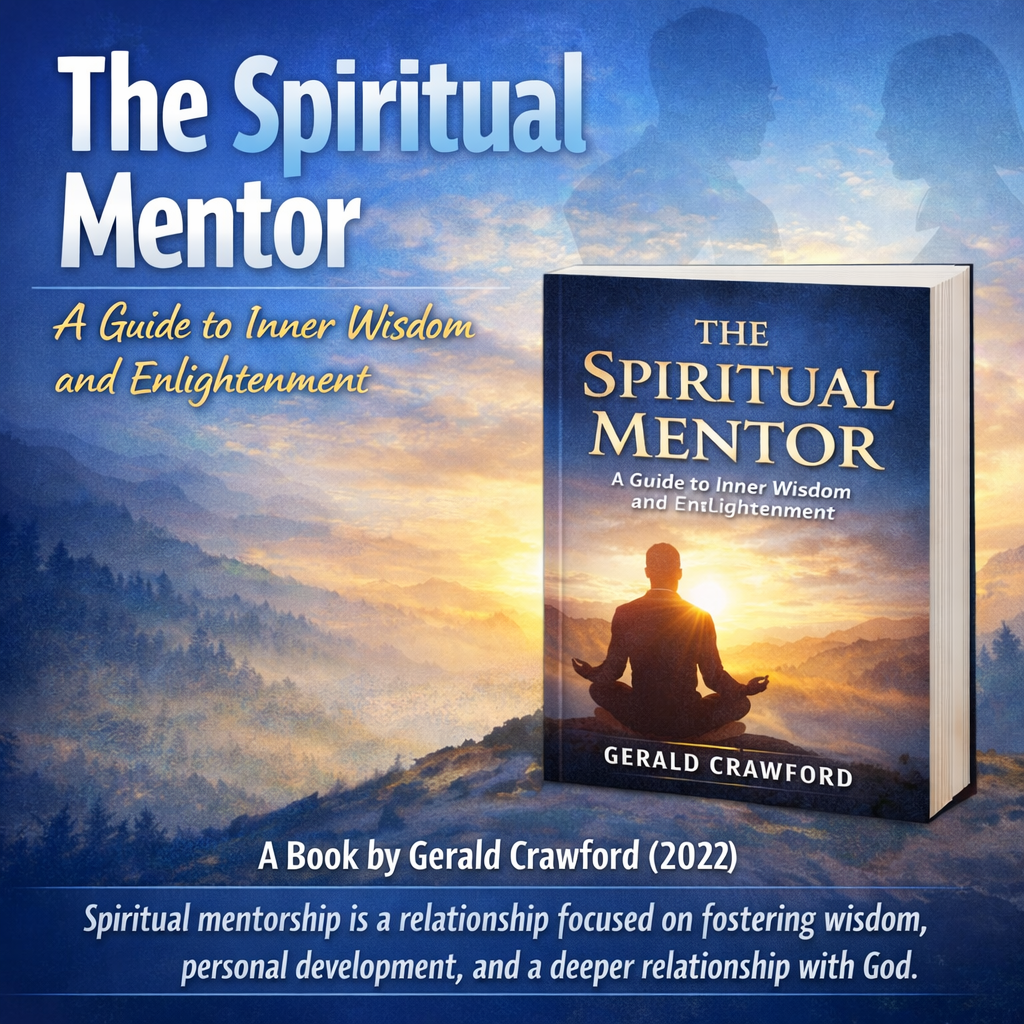
Spiritual mentorship is a relationship where we focus on fostering wisdom, personal development, and a deeper relationship with God.

Category: Spiritual Mentorship Book (Page 3 of 7)

Case Study 6: Real People, Real-world examples of when working with the Spiritual Mentor and getting access to there Inner Guide, Inner Wisdom and how this Enlightenment has improved and changed there lives.

Case Study 6

From Emotional Numbness and Disconnection to Meaning, Purpose, and a Living Relationship with God

Background

Michael (name changed) came to spiritual mentorship not in crisis, but in quiet disconnection. On the surface, life was stable — career, family, responsibilities all in place. Yet inwardly, he described feeling “flat, empty, and spiritually distant.”

He was not depressed, but he was no longer inspired. Prayer felt routine, faith felt intellectual, and life felt like something to be managed rather than lived. Michael longed for meaning but did not know how to access it.


The Challenge

Michael believed something was missing, but he could not name it.

He had learned to suppress emotions in order to function effectively. Over time, this led to:

  • Emotional numbness

  • A sense of spiritual dryness

  • Difficulty feeling God’s presence

  • Loss of inner direction and inspiration

His greatest fear was not failure — it was living without purpose.


The Mentorship Process

Spiritual mentorship began by creating a safe relational space where Michael could slow down and speak honestly, without spiritual performance or expectations.

Rather than searching for answers, the mentor guided him toward:

  • Awareness of his inner experience

  • Permission to feel again

  • Listening instead of striving

  • Presence instead of productivity

For the first time in years, Michael felt seen rather than evaluated.


Integrating the Therapy and Healing Model (EFT)

As emotional awareness returned, previously suppressed feelings surfaced — sadness, grief, longing, and unspoken disappointment.

Through EFT tapping, Michael was supported to:

  • Gently reconnect with his emotions

  • Release stored emotional tension

  • Regulate his nervous system

  • Stay present without shutting down

What he once feared would overwhelm him instead became a doorway to healing.


Accessing the Inner Guide

As emotional flow returned, Michael noticed subtle inner signals — a quiet pull toward authenticity, creativity, and truth.

He described his inner guide as:
“A sense of direction that doesn’t shout — it invites.”

This inner wisdom helped him:

  • Reconnect with what truly mattered

  • Discern obligation from calling

  • Engage spiritually without force

  • Experience God as relational rather than distant

Faith moved from belief to lived experience.


Enlightenment as Reconnection

For Michael, enlightenment was not a dramatic awakening, but the return of aliveness.

He experienced:

  • Emotional depth without overwhelm

  • Renewed curiosity and meaning

  • A sense of divine companionship

  • Alignment between values and actions

  • Inner peace grounded in authenticity

Life regained texture, color, and purpose.


The Outcome

Over time, Michael reported:

  • Feeling more present and engaged

  • Greater emotional honesty

  • A renewed spiritual hunger

  • Clearer life direction

  • A deeper, more personal relationship with God

What once felt empty now felt quietly sacred.


Key Insight from This Case Study

Michael’s transformation came not from doing more spiritually, but from allowing himself to be fully present.

Healing and growth unfolded through:

  • Relational spiritual mentorship

  • Emotional reconnection

  • Nervous system regulation

  • Inner listening

  • A faith rooted in relationship rather than routine

Spiritual mentorship reawakened purpose by restoring connection — within and with God.


Summary

This case study demonstrates how spiritual mentorship supports individuals experiencing emotional numbness or spiritual dryness, guiding them back to inner wisdom, meaning, and a living relationship with God.

Spiritual mentorship is a relationship where we focus on fostering wisdom, personal development, and a deeper relationship with God.

Introduction to the Ego – Identifying ego-driven thoughts and emotions

Identifying ego-driven thoughts and emotions is an important step in understanding and overcoming the limitations of the ego.

Here are some common characteristics of ego-driven thoughts and emotions:

Ego-driven thoughts:

1. Critical and judgmental: Ego-driven thoughts are often critical and judgmental, focusing on the negative aspects of oneself or others.

2. Comparative: Ego-driven thoughts often compare oneself to others, fostering a sense of competition and rivalry.

3. Self-focused: Ego-driven thoughts are often self-focused, prioritizing one’s own needs and desires over the needs and feelings of others.

4. Fear-based: Ego-driven thoughts are often rooted in fear, anxiety, or insecurity, leading to defensive or reactive behavior.

5. Rationalizing and justifying: Ego-driven thoughts often rationalize and justify one’s own behavior, even if it’s negative or hurtful to others.

Ego-driven emotions:

1. Anger and resentment: Ego-driven emotions often manifest as anger and resentment, particularly when one’s own needs or desires are not met.

2. Fear and anxiety: Ego-driven emotions often include fear and anxiety, which can lead to defensive or reactive behavior.

3. Pride and arrogance: Ego-driven emotions can also manifest as pride and arrogance, particularly when one’s own achievements or status are emphasized.

4. Jealousy and envy: Ego-driven emotions often include jealousy and envy, particularly when one compares oneself to others and feels inferior.

5. Self-pity and martyrdom: Ego-driven emotions can also manifest as self-pity and martyrdom, particularly when one feels victimized or oppressed.

Identifying ego-driven thoughts and emotions:

1. Mindfulness and self-reflection: Practice mindfulness and self-reflection to become more aware of your thoughts and emotions.

2. Journaling: Write down your thoughts and emotions to identify patterns and gain insight into your ego-driven tendencies.

3. Seek feedback: Ask for feedback from trusted friends, family, or a therapist to gain an outside perspective on your thoughts and emotions.

4. Notice physical sensations: Pay attention to physical sensations in your body, such as tension or relaxation, to identify when you’re experiencing ego-driven thoughts and emotions.

5. Practice self-compassion: Treat yourself with kindness and compassion, rather than judgment, to help you stay grounded and centered.

Overcoming ego-driven thoughts and emotions:

1. Mindfulness and meditation: Practice mindfulness and meditation to cultivate a greater sense of awareness and detachment from ego-driven thoughts and emotions.

2. Self-inquiry: Engage in self-inquiry to examine your thoughts and emotions, and challenge any ego-driven patterns or tendencies.

3. Gratitude and appreciation: Focus on gratitude and appreciation to shift your attention away from ego-driven thoughts and emotions.

4. Compassion and empathy: Practice compassion and empathy towards yourself and others to cultivate a greater sense of connection and understanding.

5. Letting go: Practice letting go of ego-driven thoughts and emotions, and focus on the present moment to cultivate a greater sense of freedom and liberation.

Remember, overcoming ego-driven thoughts and emotions is a lifelong process that requires patience, self-awareness, and a willingness to grow and change. By recognizing and transforming your ego-driven tendencies, you can cultivate a greater sense of inner peace, compassion, and connection to yourself and others.

Introduction to the Ego – Understanding ego patterns and behaviours

Understanding ego patterns and behaviors is essential for personal growth, spiritual development, and building stronger relationships with others. The ego is a complex and multifaceted aspect of the human psyche, and it can manifest in many different ways.

Common ego patterns and behaviors:

1. Need for validation and attention: The ego often seeks validation and attention from others to feel important and valued.

2. Comparison and competition: The ego tends to compare itself to others, fostering a sense of competition and rivalry.

3. Fear of loss and separation: The ego fears loss and separation, leading to attachment and clinging to people, objects, and situations.

4. Need for control and power: The ego seeks to control and dominate others, often through manipulation or coercion.

5. Defensiveness and reaction: The ego is often defensive and reactive, leading to conflict and tension in relationships.

6. Self-importance and grandiosity: The ego can create an inflated sense of self-importance, leading to arrogance and a lack of empathy for others.

7. Resistance to change and growth: The ego often resists change and growth, preferring to maintain the status quo and avoiding challenges to its dominance.

Consequences of ego patterns and behaviors:

1. Conflict and tension: Ego patterns and behaviors can lead to conflict and tension in relationships, both personal and professional.

2. Unhappiness and dissatisfaction: The ego’s constant need for validation, attention, and control can lead to feelings of unhappiness and dissatisfaction.

3. Limited personal growth: The ego’s resistance to change and growth can limit personal development and prevent individuals from reaching their full potential.

4. Strained relationships: Ego patterns and behaviors can strain relationships, leading to feelings of resentment, anger, and hurt.

5. Lack of empathy and compassion: The ego’s focus on its own needs and desires can lead to a lack of empathy and compassion for others.

Overcoming ego patterns and behaviors:

1. Self-awareness and introspection: Developing self-awareness and introspection can help individuals recognize and understand their ego patterns and behaviors.

2. Mindfulness and meditation: Practicing mindfulness and meditation can help individuals develop a greater sense of self-awareness and detach from ego patterns and behaviors.

3. Self-reflection and journaling: Engaging in self-reflection and journaling can help individuals identify and challenge their ego patterns and behaviors.

4. Seeking feedback and constructive criticism: Seeking feedback and constructive criticism from others can help individuals gain a more nuanced understanding of their ego patterns and behaviors.

5. Cultivating empathy and compassion: Practicing empathy and compassion towards others can help individuals develop a greater sense of understanding and connection with others.

Transformation of the ego:

As individuals work to overcome their ego patterns and behaviors, they may experience a transformation of the ego. This can manifest as:

1. Ego transcendence: The ego is transcended, and the individual experiences a sense of unity and interconnectedness with others.

2. Ego dissolution: The ego is dissolved, and the individual experiences a sense of freedom and liberation from its limitations.

3. Ego transformation: The ego is transformed, becoming more flexible and open, allowing the individual to experience a sense of balance and harmony between their individuality and their connection to others.

Ultimately, understanding and overcoming ego patterns and behaviors is a lifelong process that requires self-awareness, introspection, and a willingness to grow and change. By recognizing and transforming their ego patterns and behaviors, individuals can develop greater empathy, compassion, and understanding for themselves and others.

Introduction to the Ego – Definition of the ego and its role in spirituality

The ego refers to the individual’s sense of self or identity, which is shaped by their thoughts, feelings, and experiences. It is the part of the mind that distinguishes oneself from others and enables us to have a sense of individuality and separateness. In spirituality, the ego plays a complex and multifaceted role.

The role of the ego in spirituality:

1. Separation and duality: The ego creates a sense of separation between the individual and the world, leading to a perception of duality. This duality can manifest as a sense of “I” versus “others,” “us” versus “them,” or “self” versus “world.”

2. Identity and self-concept: The ego helps shape our sense of identity and self-concept, which can influence our spiritual journey. A strong ego can lead to a sense of attachment to our identity, making it challenging to let go and transcend the limitations of the self.

3. Fear and resistance: The ego can create fear and resistance to spiritual growth, as it may feel threatened by the idea of transcendence or the loss of individual identity.

4. Illusion of control: The ego can create an illusion of control, leading us to believe that we are in charge of our lives and our spiritual journey. This illusion can prevent us from surrendering to a higher power or the present moment.

5. Spiritual materialism: The ego can also lead to spiritual materialism, where spiritual practices and experiences are used to reinforce the ego’s sense of identity and self-importance.

Transcending the ego:

To deepen their spiritual practice, many individuals seek to transcend the ego, which involves recognizing and letting go of its limitations. This can be achieved through:

1. Mindfulness and meditation: Practicing mindfulness and meditation can help individuals become more aware of their thoughts and emotions, allowing them to transcend the ego’s influence.

2. Self-inquiry: Engaging in self-inquiry, such as asking “Who am I?” or “What is the nature of the self?” can help individuals question the ego’s assumptions and limitations.

3. Surrender and letting go: Surrendering to a higher power or the present moment can help individuals let go of the ego’s need for control and identity.

4. Cultivating humility: Cultivating humility and recognizing the limitations of the ego can help individuals develop a more nuanced understanding of the self and its place in the world.

The ego’s transformation:

As individuals progress on their spiritual journey, the ego can undergo a transformation, becoming more flexible and open. This can manifest as:

1. Ego transcendence: The ego is transcended, and the individual experiences a sense of unity and interconnectedness with the world.

2. Ego dissolution: The ego is dissolved, and the individual experiences a sense of freedom and liberation from its limitations.

3. Ego transformation: The ego is transformed, becoming more flexible and open, allowing the individual to experience a sense of balance and harmony between their individuality and their connection to the world.

In summary, the ego plays a complex role in spirituality, and its transformation is a crucial aspect of spiritual growth. By recognizing and transcending the ego’s limitations, individuals can deepen their spiritual practice, cultivate a sense of humility, and experience a more profound connection to themselves and the world.

« Older posts Newer posts »

Step-up and get your seat on my VIP Spiritual Mentorship Program for 2026

X
Back a Buddy Show your Support