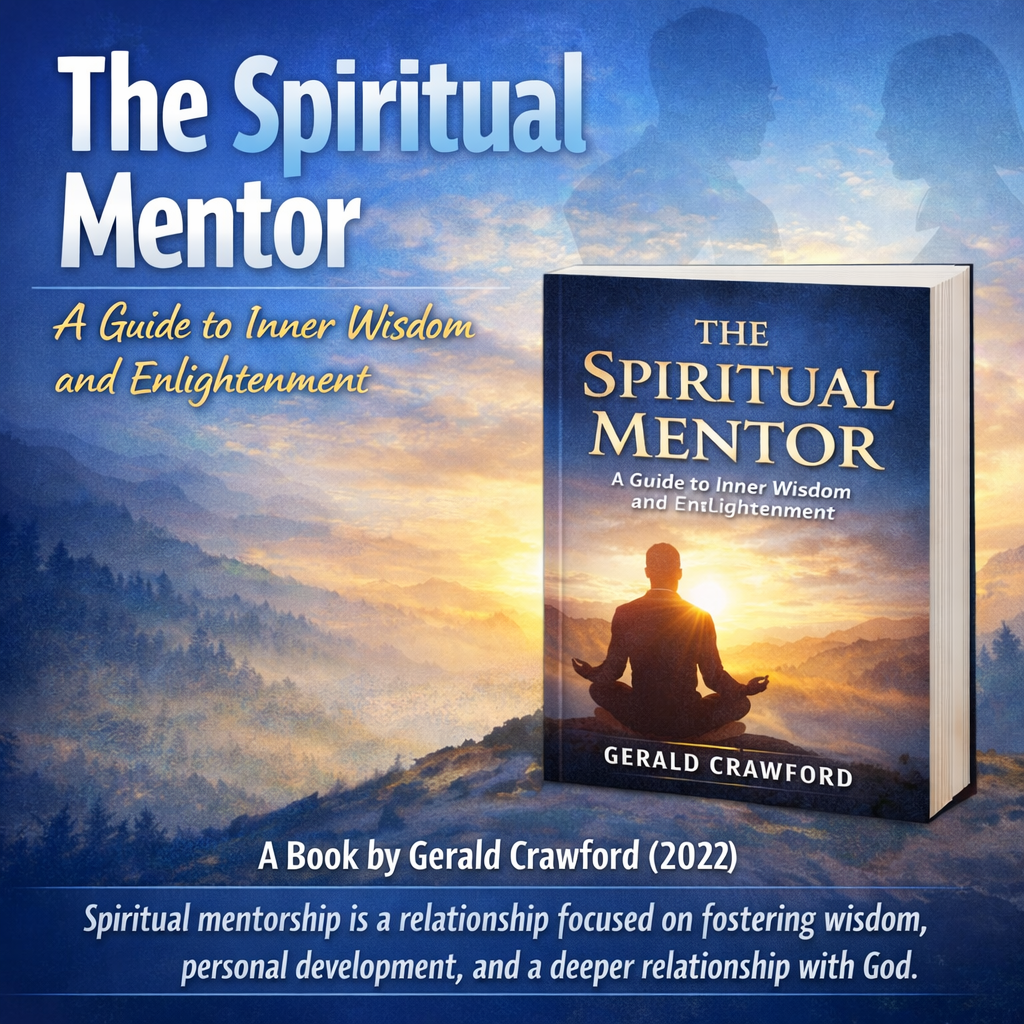
The Spiritual Mentor: A Guide to Inner Wisdom and Enlightenment - A Book by Gerald Crawford (2022 Edition)

Spiritual mentorship is a relationship where we focus on fostering wisdom, personal development, and a deeper relationship with God.

Page 5 of 34

Cultivating Forgiveness and Letting Go – Practices for cultivating forgiveness and letting go

Cultivating forgiveness and letting go can be a transformative experience. Here are some practices to help you cultivate forgiveness and let go.

Forgiveness Practices

1. Loving-Kindness Meditation: Focus on sending kindness, compassion, and understanding to yourself and others.

2. Forgiveness Letters: Write letters to yourself or others, expressing forgiveness and releasing negative emotions.

3. Gratitude Practice: Reflect on the things you’re grateful for, shifting your focus to positivity.

Letting Go Practices

1. Mindfulness Meditation: Practice mindfulness to observe thoughts, emotions, and physical sensations, letting go of attachment.

2. Breathwork: Use breathwork to release tension, calm the mind, and let go of emotional burdens.

3. Physical Release: Engage in physical activities like yoga, tai chi, or walking to release tension and promote relaxation.

Self-Compassion Practices

1. Self-Kindness: Treat yourself with kindness, understanding, and patience.

2. Self-Reflection: Reflect on your experiences, emotions, and insights, cultivating self-awareness.

3. Self-Care: Prioritize self-care activities that nourish your mind, body, and spirit.

Forgiveness and Letting Go Rituals

1. Burning Ceremony: Write down things you want to let go of and burn them, symbolizing release.

2. Water Ritual: Write down things you want to release and throw them into water, symbolizing letting go.

3. Nature Connection: Spend time in nature, connecting with its cycles and rhythms, and letting go of negativity.

Tips for Sustaining Forgiveness and Letting Go

1. Consistency: Make forgiveness and letting go a regular practice.

2. Patience: Be patient with yourself and others, understanding that forgiveness and letting go take time.

3. Self-Compassion: Treat yourself with kindness and compassion, remembering that you’re human.

Remember, Forgiveness and Letting Go are Journeys

Forgiveness and letting go are ongoing processes that require effort, patience, and self-compassion. Be gentle with yourself, and remember that you’re not alone.


The Power of Patience – Connect with our Emotions

Patience helps us process our emotions, gain a deeper understanding of ourselves, and develop greater emotional intelligence.

Patience is a powerful tool that can help us navigate and understand our emotions. By cultivating patience, we can develop a deeper connection with our emotional selves, leading to greater self-awareness, emotional intelligence, and overall well-being.

The Role of Patience in Emotional Regulation

1. Self-reflection: Patience allows us to take a step back, reflect on our emotions, and understand what drives them. This self-awareness helps us identify patterns, triggers, and areas for improvement.

2. Emotional acceptance: Patience teaches us to accept our emotions, rather than trying to suppress or deny them. By acknowledging our emotions, we can begin to work with them, rather than against them.

3. Mindfulness: Patience fosters mindfulness, which enables us to stay present in the moment and focus on our emotional experience. This helps us develop a greater sense of awareness and connection with our emotions.

4. Empathy and compassion: Patience cultivates empathy and compassion, both towards ourselves and others. By understanding and accepting our own emotions, we can better understand and support those around us.

Emotions that Require Patience

1. Grief and loss: Patience is essential when dealing with grief and loss. It allows us to process our emotions, come to terms with our loss, and find a way to heal and move forward.

2. Anxiety and stress: Patience helps us manage anxiety and stress by teaching us to slow down, breathe, and focus on the present moment.

3. Anger and frustration: Patience enables us to manage anger and frustration, rather than letting them control us. By taking a step back and reflecting on our emotions, we can find more constructive ways to express and manage them.

4. Sadness and disappointment: Patience allows us to work through feelings of sadness and disappointment, rather than trying to suppress or avoid them.

Practicing Patience with Our Emotions

1. Journaling: Writing down our thoughts and emotions can help us process and understand them better. By reflecting on our journal entries, we can identify patterns and areas for improvement.

2. Meditation and mindfulness: Regular mindfulness practice can help us develop patience and increase our emotional awareness.

3. Talking to a therapist or trusted friend: Sharing our emotions with a trusted friend or therapist can help us gain a new perspective, develop empathy and understanding, and cultivate patience.

4. Engaging in creative activities: Creative activities like art, music, or writing can provide an outlet for our emotions, helping us process and express them in a healthy and constructive way.

Conclusion

Patience is a powerful tool for connecting with our emotions. By cultivating patience, we can develop a deeper understanding of ourselves, our emotions, and our relationships. Remember, patience is a journey, not a destination. By embracing patience and connecting with our emotions, we can create a more fulfilling, meaningful, and joyful life.

The Power of Patience – Reflect on our Experiences

Being patient allows us to reflect on our experiences, identify patterns and lessons, and integrate new insights into our lives.

Patience is a valuable virtue that can greatly impact our lives and relationships. It allows us to navigate challenges, build stronger connections, and cultivate a deeper understanding of ourselves and others. In this reflection, we’ll explore the power of patience and how it can shape our experiences.

The Benefits of Patience

1. Deeper connections: Patience helps us build stronger, more meaningful relationships. By taking the time to listen, understand, and empathize with others, we foster trust, loyalty, and mutual respect.

2. Improved problem-solving: Patience enables us to approach problems with a clear and level head, leading to more effective solutions and better decision-making.

3. Personal growth: Patience allows us to reflect on our experiences, learn from our mistakes, and develop a greater sense of self-awareness, leading to personal growth and self-improvement.

4. Reduced stress and anxiety: Patience helps us manage stress and anxiety by teaching us to slow down, breathe, and focus on the present moment.

Challenging Experiences that Require Patience

1. Waiting for results: Whether it’s waiting for exam results, job offers, or medical test outcomes, patience is essential for managing uncertainty and anxiety.

2. Overcoming obstacles: Patience helps us navigate setbacks, failures, and challenges, allowing us to learn from our mistakes and persevere.

3. Building relationships: Developing strong, lasting relationships takes time, effort, and patience. It requires us to be understanding, empathetic, and supportive.

4. Personal development: Achieving personal goals, such as learning a new skill or developing a new habit, requires patience, dedication, and persistence.

Cultivating Patience in Our Daily Lives

1. Mindfulness and meditation: Practicing mindfulness and meditation can help us develop patience by teaching us to focus on the present moment and let go of distractions.

2. Setting realistic expectations: Setting achievable goals and deadlines can help us manage our expectations and reduce frustration, allowing us to cultivate patience.

3. Embracing imperfection: Recognizing that imperfections and mistakes are a natural part of the learning process can help us develop patience and self-compassion.

4. Practicing self-care: Taking care of our physical, emotional, and mental well-being can help us develop the patience and resilience needed to navigate life’s challenges.

Conclusion

Patience is a powerful virtue that can transform our experiences and relationships. By cultivating patience, we can build stronger connections, develop a greater sense of self-awareness, and navigate challenges with greater ease. By reflecting on our experiences and embracing the power of patience, we can create a more fulfilling, meaningful, and joyful life.

The Power of Patience – Listen to our Inner Voice

Patience gives us the space to hear our inner voice, which is often drowned out by the noise of the world.

The power of patience and listening to our inner voice are two essential life skills that can bring about profound positive changes in our lives. Let’s dive deeper into this subject.

The Importance of Patience

Patience is the ability to wait, persevere, and tolerate difficult or frustrating situations without becoming agitated or upset. It’s about accepting that some things take time to develop, and that rushed or hasty decisions can often lead to mistakes or unintended consequences.

In today’s fast-paced world, patience is often seen as a luxury we can’t afford. We’re constantly bombarded with instant gratification, quick fixes, and instant results. However, this can lead to a culture of impatience, where we expect everything to happen quickly and effortlessly.

The Consequences of Impatience

Impatience can have serious consequences, such as:

1. Poor decision-making: Rushing into decisions without considering the consequences can lead to mistakes and regrets.

2. Increased stress and anxiety: Constantly feeling like we’re running out of time or that things are not happening quickly enough can lead to feelings of overwhelm and anxiety.

3. Missed opportunities: Impatience can cause us to overlook important details, miss subtle cues, and fail to recognize opportunities that require patience and persistence.

The Power of Listening to Our Inner Voice

Our inner voice, also known as our intuition, is a powerful guide that can help us navigate life’s challenges and make informed decisions. Listening to our inner voice requires patience, self-awareness, and a willingness to trust our instincts.

When we take the time to listen to our inner voice, we can:

1. Gain clarity and insight: Our inner voice can provide us with valuable insights and perspectives that might not be immediately apparent.

2. Make more informed decisions: By listening to our inner voice, we can make decisions that align with our values, goals, and aspirations.

3. Develop greater self-awareness: Paying attention to our inner voice can help us understand our thoughts, emotions, and motivations, leading to greater self-awareness and personal growth.

Practicing Patience and Listening to Our Inner Voice

So, how can we cultivate patience and listen to our inner voice? Here are some tips:

1. Meditate and practice mindfulness: Regular meditation and mindfulness practice can help you develop greater self-awareness and patience.

2. Take time for reflection: Schedule regular time for reflection, whether it’s journaling, walking, or simply sitting in silence.

3. Practice self-compassion: Treat yourself with kindness and compassion, just as you would a close friend.

4. Trust your instincts: Pay attention to your gut feelings and intuition, even if it doesn’t make logical sense.

5. Be patient with yourself: Remember that patience is a skill that takes time to develop, so be gentle with yourself and celebrate small victories along the way.

By cultivating patience and listening to our inner voice, we can:

1. Make more informed decisions: By taking the time to listen to our inner voice, we can make decisions that align with our values and goals.

2. Develop greater self-awareness: Patience and self-reflection can help us understand ourselves and our place in the world.

3. Enjoy greater peace and contentment: Cultivating patience and listening to our inner voice can lead to a deeper sense of peace, contentment, and fulfillment.

I hope this helps! What are your thoughts on the power of patience and listening to our inner voice?

Advanced Mindfulness and Meditation Techniques – Exploring loving-kindness meditation, body scan, and visualization

Advanced mindfulness and meditation techniques can help deepen your practice and cultivate a greater sense of awareness, compassion, and inner peace. Here, we’ll explore loving-kindness meditation, body scan, and visualization techniques:

Loving-Kindness Meditation (Metta Meditation)

Loving-kindness meditation, also known as Metta meditation, is a powerful practice that cultivates feelings of love, compassion, and kindness towards oneself and others. The practice involves repeating phrases such as:

* “May I be happy, may I be healthy, may I be at peace”

* “May my loved ones be happy, may they be healthy, may they be at peace”

* “May all beings be happy, may they be healthy, may they be at peace”

As you repeat these phrases, focus on the feelings of kindness and compassion that arise in your heart. Begin with yourself, then move on to loved ones, and finally, extend kindness to all beings. This practice helps to:

* Cultivate self-love and self-acceptance

* Develop empathy and understanding towards others

* Increase feelings of compassion and kindness

Body Scan Meditation

Body scan meditation is a technique that involves bringing awareness to different parts of the body, often while lying down or sitting comfortably. The practice involves:

1. Bringing your attention to your toes, noticing any sensations, feelings, or thoughts without judgment.

2. Gradually moving your attention up through the body, scanning each part, including the feet, ankles, calves, knees, thighs, hips, back, shoulders, arms, hands, neck, and head.

3. Noticing any areas of tension, relaxation, or neutral sensations.

4. As you scan, cultivate a sense of curiosity and openness, allowing yourself to release any tension or discomfort.

Body scan meditation helps to:

* Develop greater body awareness and relaxation

* Release physical tension and promote deeper relaxation

* Improve sleep quality and reduce stress

Visualization Meditation

Visualization meditation involves using the power of imagination to create a mental image or scenario that promotes relaxation, calmness, and inner peace. The practice involves:

1. Finding a quiet and comfortable space to sit or lie down

2. Closing your eyes and taking a few deep breaths to calm the mind and body

3. Imagining a peaceful and safe environment, such as a beach, forest, or mountain meadow

4. Using all of your senses to bring the scene to life, including sights, sounds, smells, tastes, and textures

5. Allowing yourself to fully immerse in the experience, letting go of any thoughts or worries

Visualization meditation helps to:

* Reduce stress and anxiety

* Improve mood and overall sense of well-being

* Enhance creativity and problem-solving skills

Tips for Practicing Advanced Mindfulness and Meditation Techniques

1. Start small: Begin with short practice sessions (5-10 minutes) and gradually increase the duration as you become more comfortable with the techniques.

2. Be consistent: Aim to practice mindfulness and meditation daily, ideally at the same time each day.

3. Find a quiet space: Identify a quiet and comfortable space where you can practice without distractions.

4. Use guided recordings: Listen to guided recordings to help you get started with new techniques and provide a sense of structure.

5. Be patient: Remember that mindfulness and meditation are practices that take time to develop, so be patient and gentle with yourself.

By incorporating these advanced mindfulness and meditation techniques into your practice, you can cultivate a deeper sense of awareness, compassion, and inner peace. Remember to be patient, consistent, and gentle with yourself as you explore these powerful practices.

« Older posts Newer posts »

Step-up and get your seat on my VIP Spiritual Mentorship Program for 2026

X
Back a Buddy Show your Support