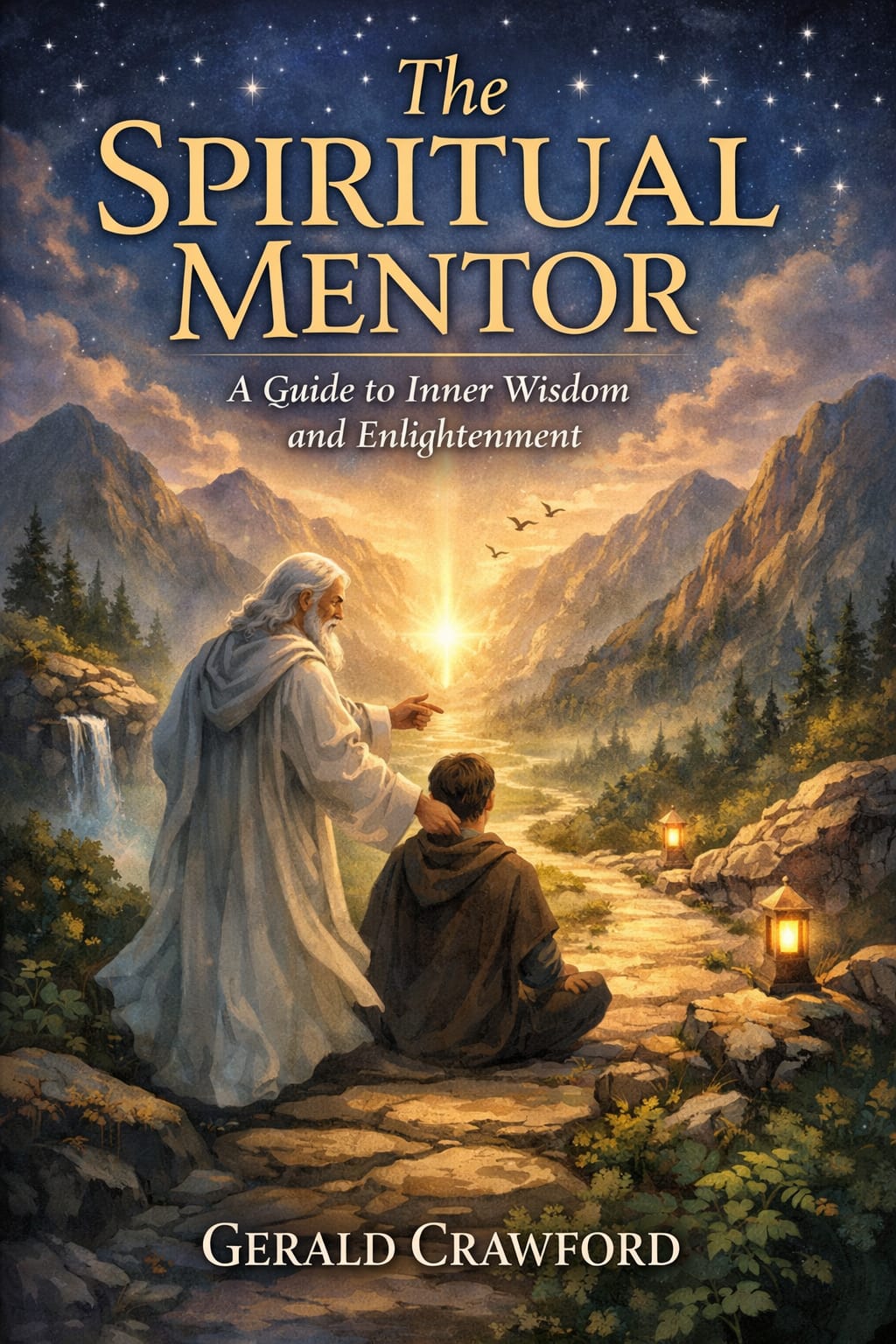
Spiritual mentorship is a relationship where we focus on fostering wisdom, personal development, and a deeper relationship with God.

Tag: spiritual path

Navigating Spiritual Challenges – Overcoming obstacles and setbacks on the spiritual path

Navigating Spiritual Challenges: Overcoming Obstacles and Setbacks on the Spiritual Path

The spiritual path can be filled with challenges and setbacks, but with the right mindset and strategies, you can overcome them and continue on your journey.

Common Spiritual Challenges

1. Doubt and uncertainty: questioning your beliefs or feeling uncertain about your spiritual path.

2. Fear and anxiety: feeling fearful or anxious about spiritual growth or change.

3. Self-doubt and criticism: criticizing yourself or feeling inadequate on your spiritual journey.

4. External challenges: facing external challenges, such as criticism or skepticism from others.

Strategies for Overcoming Spiritual Challenges

1. Practice self-compassion: treat yourself with kindness and understanding when faced with challenges.

2. Seek support: connect with spiritual leaders, mentors, or like-minded individuals for guidance and support.

3. Reflect and journal: reflect on your experiences and insights, and write down your thoughts and feelings.

4. Focus on the present moment: bring your attention to the present moment, and let go of worries about the past or future.

Overcoming Setbacks

1. Acknowledge and accept: acknowledge and accept setbacks, and don’t try to deny or avoid them.

2. Learn from setbacks: reflect on setbacks, and try to learn from them.

3. Don’t give up: don’t give up on your spiritual journey, even when faced with setbacks.

4. Seek guidance: seek guidance from spiritual leaders or mentors.

Maintaining Spiritual Momentum

1. Stay consistent: stay consistent in your spiritual practice, even when faced with challenges.

2. Celebrate progress: celebrate your progress and achievements on your spiritual journey.

3. Stay connected: stay connected with your spiritual community and support network.

4. Keep learning: continue to learn and grow on your spiritual journey.

Conclusion

Navigating spiritual challenges and setbacks can be difficult, but with the right mindset and strategies, you can overcome them and continue on your spiritual journey. By practicing self-compassion, seeking support, and staying consistent, you can maintain spiritual momentum and deepen your connection with yourself, the universe, and a higher power.


Discovering Your Spiritual Path – Introduction to various spiritual traditions and philosophies

Discovering Your Spiritual Path: Introduction to Various Spiritual Traditions and Philosophies

Exploring various spiritual traditions and philosophies can help you gain a deeper understanding of the spiritual landscape and find a path that resonates with you.

Spiritual Traditions and Philosophies

Here are some examples of spiritual traditions and philosophies:

1. Eastern Spirituality:

* Hinduism

* Buddhism

* Taoism

* Confucianism

2. Western Spirituality:

* Christianity

* Judaism

* Islam

* Gnosticism

3. Indigenous Spirituality:

* Native American spirituality

* Aboriginal Australian spirituality

* African spirituality

4. Modern Spirituality:

* New Age spirituality

* Humanism

* Existentialism

* Transhumanism

Key Concepts and Principles

Here are some key concepts and principles associated with various spiritual traditions and philosophies:

1. Eastern Spirituality:

* Reincarnation

* Karma

* Mindfulness

* Non-attachment

2. Western Spirituality:

* Monotheism

* Salvation

* Prayer

* Scripture

3. Indigenous Spirituality:

* Animism

* Totemism

* Shamanism

* Connection to nature

4. Modern Spirituality:

* Personal growth

* Self-actualization

* Holism

* Interconnectedness

Exploring Spiritual Traditions and Philosophies

Here are some ways to explore spiritual traditions and philosophies:

1. Read spiritual texts: read scriptures, philosophy books, and spiritual classics.

2. Attend spiritual services: attend church, synagogue, mosque, or temple services.

3. Practice spiritual practices: try meditation, yoga, or other spiritual practices.

4. Talk to spiritual leaders: talk to priests, rabbis, imams, or spiritual teachers.

5. Join spiritual communities: join online forums, social media groups, or local spiritual communities.

Tips for Exploring Spiritual Traditions and Philosophies

1. Be open-minded: approach different spiritual traditions and philosophies with an open mind.

2. Respect differences: respect the differences between spiritual traditions and philosophies.

3. Seek understanding: seek to understand the historical and cultural context of spiritual traditions and philosophies.

4. Reflect on your experiences: reflect on your experiences and insights gained from exploring spiritual traditions and philosophies.

Conclusion

Exploring various spiritual traditions and philosophies can help you gain a deeper understanding of the spiritual landscape and find a path that resonates with you. By being open-minded, respectful, and reflective, you can cultivate a deeper sense of spiritual awareness and connection.

Back a Buddy Show your Support