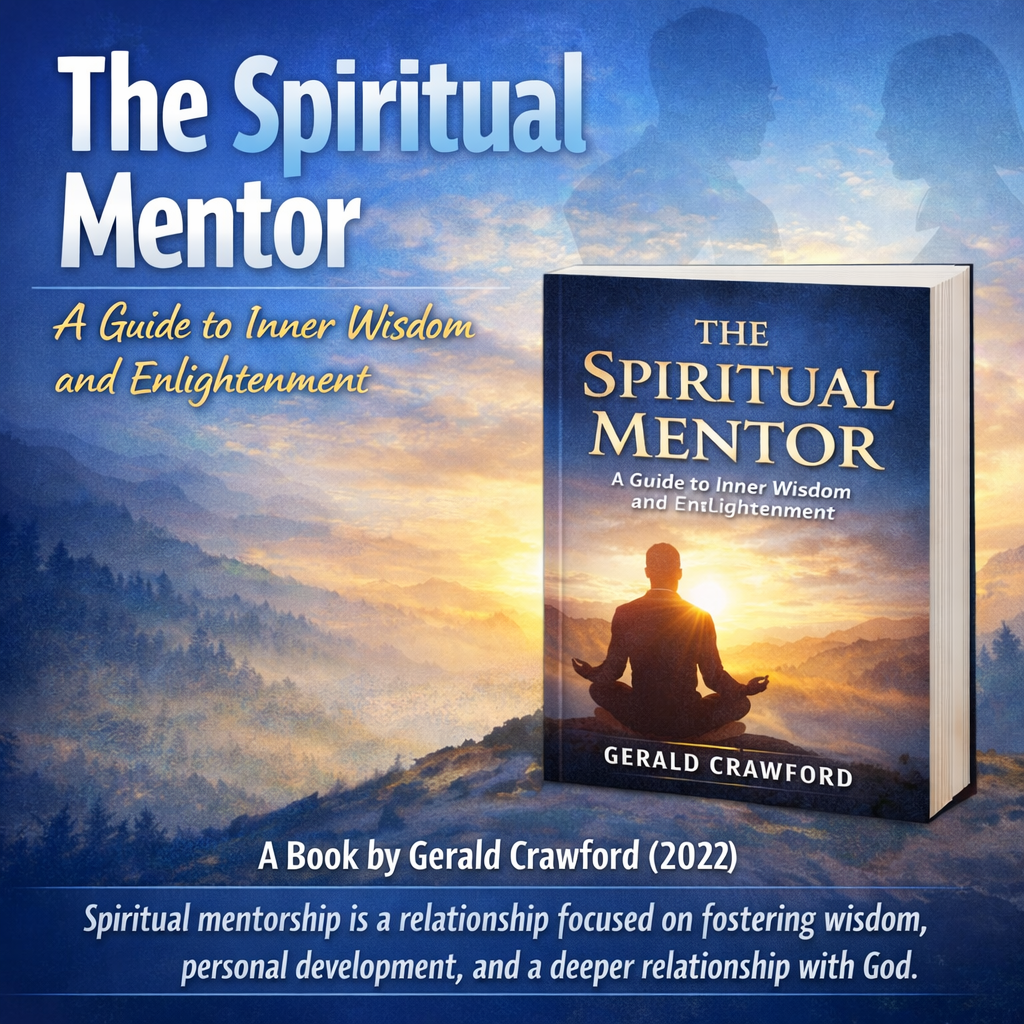
Spiritual mentorship is a relationship where we focus on fostering wisdom, personal development, and a deeper relationship with God.

Author: Gerald Crawford (Page 10 of 34)

Opening Up Your Spiritual Path – How to Connecting with a Higher Power

Connecting with a higher power: experiencing a sense of connection to something greater than yourself, such as a deity, the universe, or a higher self.

Connecting with a higher power can be a deeply personal and meaningful experience.

Here are some steps to help you open up your spiritual path and connect with a higher power:

1. Define your understanding of a higher power: Reflect on what you believe a higher power is, whether it’s a deity, the universe, or a spiritual energy. This will help you understand what you’re trying to connect with.

2. Set an intention: Set an intention to connect with a higher power, whether it’s through prayer, meditation, or simply taking a few moments to focus on your breath.

3. Create a sacred space: Create a quiet, peaceful space where you can connect with a higher power without distractions. This could be a dedicated prayer room, a meditation corner, or even a spot in nature.

4. Practice mindfulness: Use mindfulness practices such as meditation, deep breathing, or yoga to calm your mind and focus on the present moment.

5. Use prayer or affirmation: Use prayer or affirmations to connect with a higher power and express your gratitude, intentions, or needs.

6. Connect with nature: Spend time in nature, whether it’s walking, hiking, or simply sitting in a park. Nature has a way of connecting us with a higher power and the present moment.

7. Seek guidance from spiritual texts: Read spiritual texts, such as the Bible, Quran, or Bhagavad Gita, to gain insight and understanding of a higher power.

8. Find a spiritual community: Connect with a spiritual community, such as a church, synagogue, or meditation group, to support and guide you on your spiritual journey.

9. Practice surrender: Let go of your ego and surrender to a higher power. Recognize that you’re not in control of everything and that a higher power is guiding you.

10. Be open to signs and messages: Be open to signs and messages from a higher power, whether it’s through intuition, dreams, or synchronicities.

Additional Tips

* Start small and be consistent in your practice.

* Be patient and trust that a higher power is always guiding you.

* Let go of expectations and simply focus on the connection.

* Use your intuition to guide you and listen to your inner voice.

* Be grateful for the blessings and challenges in your life.

Benefits of Connecting with a Higher Power

* Increased sense of purpose and direction

* Greater sense of peace and calm

* Improved relationships with yourself and others

* Increased self-awareness and self-acceptance

* Greater sense of trust and faith

* Improved physical and mental health

Examples of Connecting with a Higher Power

* Saying a daily prayer or affirmation

* Meditating or practicing yoga

* Spending time in nature

* Reading spiritual texts or attending spiritual services

* Journaling or writing to express your thoughts and feelings

* Simply taking a few moments to focus on your breath and connect with a higher power

Remember, connecting with a higher power is a personal and individual experience. What works for one person may not work for another. Be patient, trust, and have faith that you’re being guided towards a deeper connection with a higher power.

Opening Up Your Spiritual Path – How to Cultivating Inner Peace

Cultivating inner peace: developing a sense of calm, serenity, and inner stillness.

Cultivating inner peace is a beautiful journey that can have a profound impact on one’s life.

Here are some steps to help you open up your spiritual path and cultivate inner peace:

1. Meditation: Start with meditation, which helps to quiet the mind and connect with your inner self. You can begin with short sessions (5-10 minutes) and gradually increase the duration as you become more comfortable with the practice.

2. Self-reflection: Take time to reflect on your thoughts, emotions, and actions. Identify areas where you can improve and work on letting go of negativity, anger, and fear.

3. Connect with nature: Spend time in nature, whether it’s walking, hiking, or simply sitting in a park. Nature has a way of calming the mind and connecting us with the present moment.

4. Practice gratitude: Focus on the things you’re grateful for, no matter how small they may seem. Keep a gratitude journal or share your gratitude with a friend or family member.

5. Let go of attachments: Release attachments to material possessions, relationships, or outcomes. This will help you find peace and freedom from the burdens of attachment.

6. Cultivate mindfulness: Practice mindfulness by being present in the moment. Pay attention to your breath, body, and surroundings.

7. Seek spiritual guidance: Read spiritual texts, attend workshops or retreats, and seek guidance from spiritual teachers or mentors.

8. Practice self-compassion: Treat yourself with kindness, understanding, and patience. Be gentle with yourself and avoid self-criticism.

9. Forgive and let go: Forgive yourself and others for past mistakes or hurts. Holding onto grudges and resentment can weigh you down and prevent inner peace.

10. Be patient: Cultivating inner peace is a journey, not a destination. Be patient with yourself and remember that it’s a process that takes time, effort, and practice.

Remember, the key to cultivating inner peace is to be consistent and committed to your spiritual practice. With time and effort, you’ll find that inner peace becomes a natural state of being.

Additional Tips

* Start a daily spiritual practice, such as meditation, yoga, or journaling.

* Connect with like-minded individuals who support your spiritual journey.

* Be open to new experiences and learning opportunities.

* Practice self-care and prioritize your physical, emotional, and mental well-being.

* Trust your intuition and listen to your inner voice.

Benefits of Cultivating Inner Peace

* Reduced stress and anxiety

* Increased sense of happiness and well-being

* Improved relationships with yourself and others

* Increased self-awareness and self-acceptance

* Greater sense of purpose and direction

* Improved physical and mental health

By following these steps and tips, you can cultivate inner peace and open up your spiritual path. Remember to be patient, kind, and compassionate with yourself as you journey towards greater peace and understanding.

Advanced Mindfulness and Meditation Techniques – Q and A – Discussion: sharing experiences and insights

Now that we’ve explored some advanced mindfulness and meditation techniques, let’s open up the conversation for a Q&A and discussion. This is a wonderful opportunity to share your experiences, insights, and questions with me, and I’m happy to offer guidance and support.

What’s been your experience with mindfulness and meditation?

Have you tried any of the techniques we’ve discussed, such as loving-kindness meditation, body scan, or visualization?

What challenges or benefits have you encountered?

Some potential discussion topics:

1. Overcoming obstacles: What challenges have you faced in your mindfulness and meditation practice, and how have you overcome them?

2. Noticing changes: Have you noticed any positive changes in your life, such as reduced stress or improved relationships, since starting your mindfulness and meditation practice?

3. Favorite techniques: Which mindfulness and meditation techniques resonate with you the most, and why?

4. Integrating mindfulness into daily life: How have you incorporated mindfulness into your daily routines, and what benefits have you experienced as a result?

5. Goals and intentions: What are your goals and intentions for your mindfulness and meditation practice, and how can you continue to deepen and develop your skills?

Feel free to ask me any questions

I’m here to support and guide you on your mindfulness and meditation journey. Whether you’re looking for advice on how to establish a regular practice, or seeking guidance on how to overcome specific challenges, I’m here to help.

Some potential questions you might ask:

* How can I deal with a restless mind during meditation?

* What’s the best way to incorporate mindfulness into my busy schedule?

* How can I use mindfulness and meditation to improve my relationships with others?

* What are some advanced techniques for cultivating loving-kindness and compassion?

* How can I use mindfulness and meditation to overcome stress, anxiety, or other challenges?

Let’s explore and discuss

Remember, this is a safe and supportive space for sharing your thoughts, experiences, and insights. I’m here to listen, offer guidance, and support you on your mindfulness and meditation journey.

What’s on your mind, and where would you like to start the conversation?

Recap of key takeaways and insights from the The Spiritual Mentor: A Guide to Inner Wisdom and Enlightenment Book

Here’s a recap of key takeaways and insights from our spiritual mentorship journey.

Key Takeaways

1. Spiritual growth is a journey: Spiritual growth is a continuous journey, not a destination.

2. Self-awareness and introspection: Developing self-awareness and introspection are essential for spiritual growth.

3. Mindfulness and presence: Cultivating mindfulness and presence can help you stay grounded and focused.

4. Self-love and compassion: Practicing self-love and compassion is crucial for spiritual growth and well-being.

5. Spiritual practices: Engage in spiritual practices that nourish your mind, body, and spirit.

Insights

1. Trust your intuition: Trust your inner voice and intuition to guide you on your spiritual journey.

2. Seek support: Don’t hesitate to seek support from spiritual guides, mentors, or like-minded individuals.

3. Celebrate your progress: Acknowledge and celebrate your spiritual growth and progress.

4. Stay curious and open-minded: Remain open to new experiences, perspectives, and spiritual practices.

Spiritual Principles

1. Love and compassion: Cultivate love, compassion, and kindness towards yourself and others.

2. Integrity and authenticity: Live with integrity and authenticity, aligning your actions with your values.

3. Mindfulness and presence: Practice mindfulness and presence to stay grounded and focused.

Final Encouragement

May your spiritual journey be filled with love, light, and joy. May you continue to grow, evolve, and thrive on your path.

Emancipating Your Spirit – Final thoughts and encouragement for continued spiritual mentorship journeying

As we conclude our spiritual mentorship journey, I offer these final thoughts and encouragement.

Final Thoughts

1. Spiritual growth is a journey: Remember that spiritual growth is a continuous journey, not a destination.

2. Self-love and compassion: Treat yourself with kindness, understanding, and patience.

3. Stay curious and open-minded: Remain open to new experiences, perspectives, and spiritual practices.

Encouragement for Continued Growth

1. Trust your intuition: Continue to trust your inner voice and intuition.

2. Seek support: Don’t hesitate to seek support from spiritual guides, mentors, or like-minded individuals.

3. Celebrate your progress: Acknowledge and celebrate your spiritual growth and progress.

Remember, You Are Not Alone

1. Spiritual community: Connect with others who share your spiritual interests and values.

2. Spiritual resources: Utilize spiritual resources, such as books, podcasts, and online courses.

3. Inner guidance: Trust your inner guidance and wisdom.

Final Blessing

May your spiritual journey be filled with love, light, and joy. May you continue to grow, evolve, and thrive on your path.

« Older posts Newer posts »

Step-up and get your seat on my VIP Spiritual Mentorship Program for 2026

X
Back a Buddy Show your Support