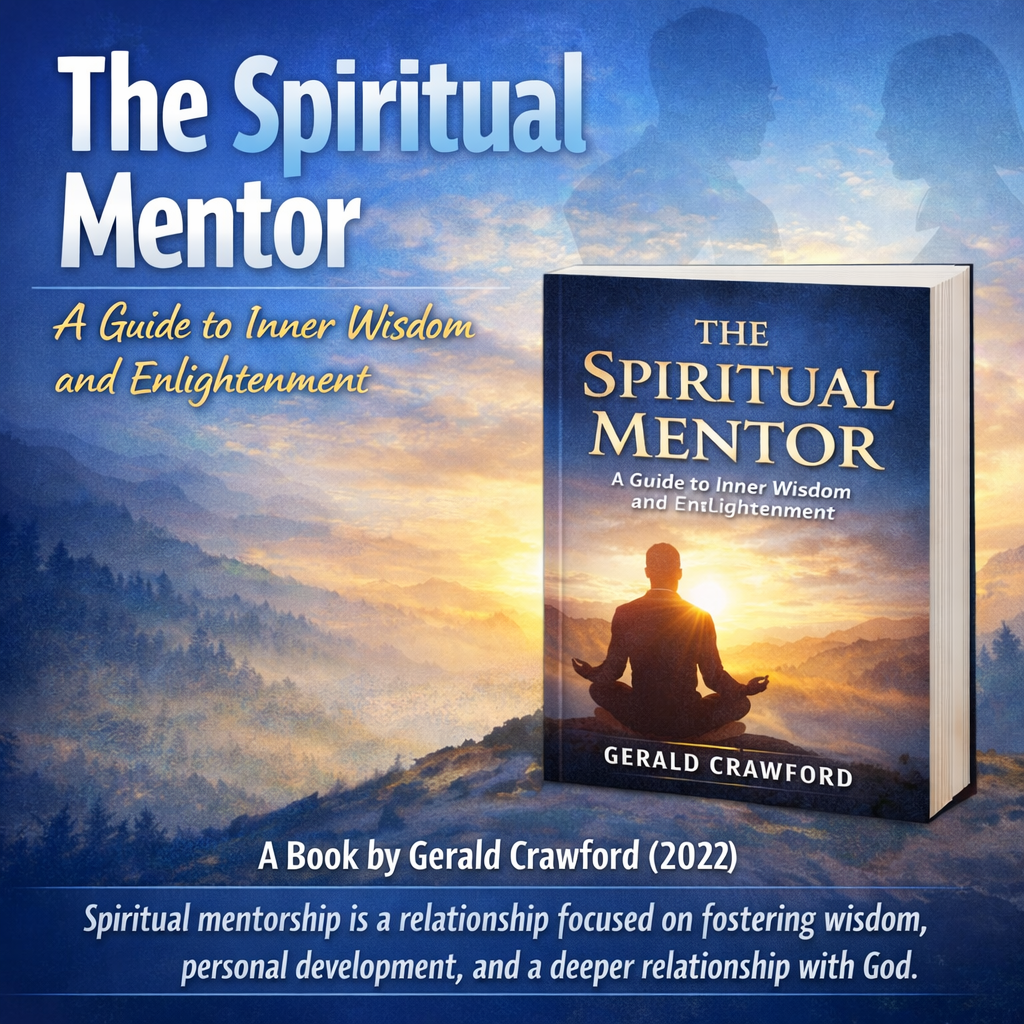
Spiritual mentorship is a relationship where we focus on fostering wisdom, personal development, and a deeper relationship with God.

Author: Gerald Crawford (Page 11 of 34)

Emancipating Your Spirit – Embracing your spiritual freedom and autonomy

Emancipating your spirit can bring a sense of liberation, joy, and fulfillment to your life. Let’s explore what it means to embrace your spiritual freedom and autonomy.

Understanding Spiritual Freedom and Autonomy

Spiritual freedom and autonomy refer to the ability to live your life in alignment with your deepest values, beliefs, and desires. It’s about embracing your individuality and making choices that nourish your mind, body, and spirit.

The Importance of Spiritual Emancipation

Spiritual emancipation can help you:

1. Break free from limitations: Release yourself from restrictive patterns, beliefs, and relationships that no longer serve you.

2. Discover your true self: Uncover your authentic identity and live a life that reflects your true nature.

3. Cultivate inner peace: Experience a sense of inner calm, clarity, and purpose.

Strategies for Emancipating Your Spirit

1. Self-reflection: Engage in introspection to understand your values, beliefs, and desires.

2. Mindfulness: Practice mindfulness to stay present and aware of your thoughts, emotions, and actions.

3. Boundary setting: Establish healthy boundaries to protect your energy and well-being.

Embracing Your Spiritual Autonomy

1. Trust your intuition: Listen to your inner voice and trust your instincts.

2. Take ownership of your life: Accept responsibility for your choices and actions.

3. Live authentically: Be true to yourself and live a life that reflects your values and passions.

The Power of Spiritual Freedom

Spiritual freedom can bring numerous benefits, including:

1. Increased confidence: Develop a stronger sense of self and confidence in your abilities.

2. Improved relationships: Attract healthy, supportive relationships that align with your values.

3. Greater sense of purpose: Live a life that reflects your values and passions.

Emancipating Your Spirit: A Journey

Emancipating your spirit is a continuous journey. Be patient, kind, and compassionate with yourself as you navigate this process.


Embodying Spiritual Principles – Strategies for embodying spiritual values and virtues

Embodying spiritual principles and virtues can bring depth, meaning, and purpose to life. Here are some strategies for embodying spiritual values and virtues.

Understanding Spiritual Values and Virtues

Spiritual values and virtues are principles that guide us toward spiritual growth, self-awareness, and inner peace. Examples include:

1. Compassion: Cultivating kindness, empathy, and understanding toward yourself and others.

2. Honesty: Embracing truthfulness, integrity, and authenticity.

3. Humility: Cultivating modesty, humility, and a willingness to learn.

Strategies for Embodying Spiritual Values and Virtues

1. Self-Reflection: Regularly reflect on your thoughts, emotions, and actions.

2. Mindfulness: Practice mindfulness to increase awareness and presence.

3. Intentional Living: Live with intention, aligning your actions with your values and virtues.

Embodying Compassion

1. Practice Empathy: Seek to understand others’ perspectives and emotions.

2. Show Kindness: Engage in acts of kindness and generosity.

3. Self-Compassion: Treat yourself with kindness, understanding, and patience.

Embodying Honesty

1. Authentic Communication: Communicate truthfully and authentically.

2. Integrity: Align your actions with your values and principles.

3. Vulnerability: Cultivate vulnerability and openness.

Embodying Humility

1. Modest Behavior: Cultivate modest behavior and avoid arrogance.

2. Open-Mindedness: Remain open to learning and growth.

3. Gratitude: Cultivate gratitude and appreciation.

Overcoming Challenges

1. Self-Awareness: Develop self-awareness to recognize areas for improvement.

2. Self-Regulation: Practice self-regulation to manage emotions and impulses.

3. Seek Support: Connect with supportive individuals or spiritual guides.

Spiritual Practices for Embodying Values and Virtues

1. Meditation: Practice meditation to cultivate inner peace and awareness.

2. Journaling: Reflect on your experiences, emotions, and insights.

3. Prayer or Affirmations: Use prayer or affirmations to connect with your values and virtues.

Remember, Embodying Spiritual Principles is a Journey

Embodying spiritual principles and virtues is a continuous journey. Be patient, kind, and compassionate with yourself.

Embodying Spiritual Principles – Living with intention and purpose

Living with intention and purpose can bring fulfillment, joy, and direction to life. Let’s explore how to embody spiritual principles and live with intention.

Understanding Intention and Purpose

Intention refers to the thoughts, desires, and goals that guide your actions. Purpose is the reason behind your actions, giving life meaning and direction.

Key Principles for Living with Intention and Purpose

1. Clarity and Awareness: Understand your values, passions, and goals.

2. Mindfulness and Presence: Live in the present moment, fully engaging with life.

3. Alignment with Values: Ensure your actions align with your values and principles.

Setting Intentions

1. Reflect on Your Values: Identify your core values and priorities.

2. Set Clear Goals: Establish specific, achievable goals.

3. Create a Vision Board: Visualize your intentions and goals.

Living with Purpose

1. Discover Your Passion: Identify activities that bring you joy and fulfillment.

2. Align Your Actions: Ensure your daily actions align with your purpose.

3. Cultivate Mindfulness: Stay present and focused on your goals.

Overcoming Obstacles

1. Self-Doubt and Fear: Address self-doubt and fear by reframing negative thoughts.

2. Distractions and Procrastination: Stay focused and motivated.

3. Setbacks and Failures: Learn from setbacks and failures.

Spiritual Principles for Living with Intention and Purpose

1. Trust and Faith: Trust in the universe and have faith in your abilities.

2. Gratitude and Appreciation: Cultivate gratitude and appreciation for life.

3. Self-Love and Compassion: Practice self-love and compassion.

Embodying Spiritual Principles in Daily Life

1. Mindful Morning Routine: Start your day with intention and purpose.

2. Intentional Communication: Communicate with intention and clarity.

3. Purposeful Actions: Take purposeful actions.

Remember, Living with Intention and Purpose is a Journey

Living with intention and purpose is a continuous journey. Be patient, kind, and compassionate with yourself.

Embodying Spiritual Principles – Integrating spiritual principles into daily life

Embodying spiritual principles can bring depth, meaning, and purpose to daily life. Let’s explore practical ways to integrate spiritual principles into your daily life.

Understanding Spiritual Principles

Spiritual principles are universal truths that guide us toward spiritual growth, self-awareness, and inner peace. Examples include:

1. Love and Compassion: Cultivating love, kindness, and compassion toward yourself and others.

2. Mindfulness and Presence: Being present in the moment, fully engaging with life.

3. Gratitude and Appreciation: Focusing on the good things in life, cultivating gratitude.

Integrating Spiritual Principles into Daily Life

1. Morning Rituals: Start your day with spiritual practices like meditation, journaling, or prayer.

2. Mindful Moments: Take breaks throughout the day to practice mindfulness, breathe deeply, and refocus.

3. Compassionate Communication: Practice active listening, empathy, and kindness in your interactions.

Practical Applications

1. Self-Care: Prioritize self-care activities that nourish your body, mind, and spirit.

2. Boundary Setting: Establish healthy boundaries to protect your energy and well-being.

3. Service to Others: Engage in acts of kindness, volunteer, or help those in need.

Embodying Spiritual Principles in Relationships

1. Empathetic Listening: Listen with empathy, understanding, and compassion.

2. Authentic Communication: Communicate authentically, honestly, and with kindness.

3. Conflict Resolution: Resolve conflicts with love, compassion, and understanding.

Overcoming Challenges

1. Patience and Persistence: Cultivate patience and persistence when faced with challenges.

2. Self-Reflection: Reflect on your experiences, emotions, and insights.

3. Seek Support: Connect with supportive individuals, spiritual guides, or therapists.

Remember, Embodying Spiritual Principles is a Journey

Integrating spiritual principles into daily life is a journey, not a destination. Be patient, kind, and compassionate with yourself.

Cultivating Forgiveness and Letting Go – Tips for releasing emotional baggage and burdens

Releasing emotional baggage and burdens can be a transformative experience. Here are some tips to help you cultivate forgiveness and let go.

Recognizing Emotional Baggage

1. Identify Your Emotions: Acknowledge and identify the emotions that are holding you back.

2. Understand the Source: Reflect on the experiences or events that led to these emotions.

3. Assess the Impact: Consider how these emotions are affecting your life and relationships.

Tips for Releasing Emotional Baggage

1. Allow Yourself to Feel: Permit yourself to process and feel the emotions.

2. Practice Self-Compassion: Treat yourself with kindness, understanding, and patience.

3. Let Go of Resistance: Release resistance to forgiveness and letting go.

Forgiveness and Letting Go Strategies

1. Forgiveness Letters: Write letters to yourself or others, expressing forgiveness and releasing negative emotions.

2. Mindfulness Meditation: Practice mindfulness to observe thoughts, emotions, and physical sensations.

3. Physical Release: Engage in physical activities like yoga, tai chi, or walking to release tension.

Releasing Emotional Burdens

1. Share Your Story: Share your experiences and emotions with a trusted friend, family member, or therapist.

2. Seek Support: Connect with supportive individuals or communities.

3. Practice Gratitude: Focus on the things you’re grateful for.

Cultivating Self-Compassion

1. Self-Kindness: Treat yourself with kindness, understanding, and patience.

2. Self-Reflection: Reflect on your experiences, emotions, and insights.

3. Self-Care: Prioritize self-care activities.

Remember, Releasing Emotional Baggage is a Journey

Releasing emotional baggage and burdens takes time, patience, and self-compassion. Be gentle with yourself.

« Older posts Newer posts »

Step-up and get your seat on my VIP Spiritual Mentorship Program for 2026

X
Back a Buddy Show your Support