
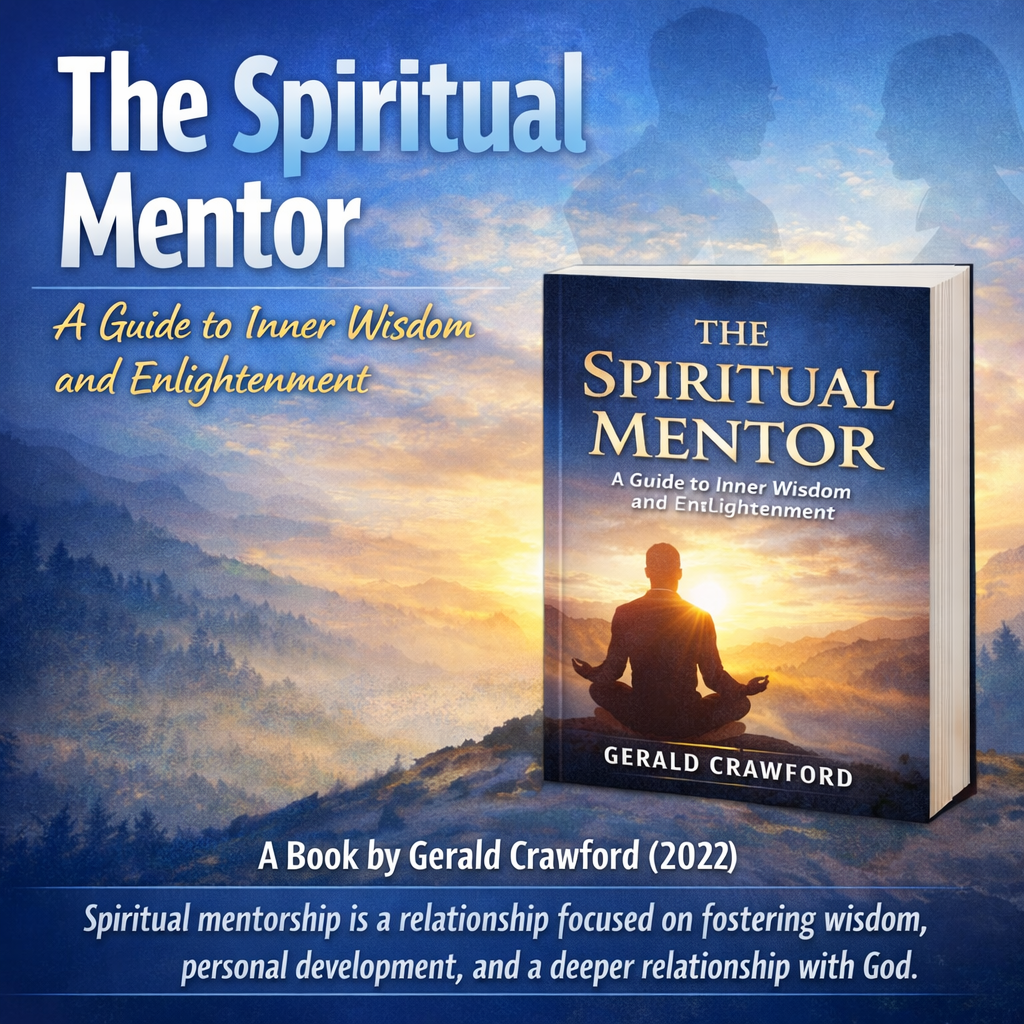
The Spiritual Mentor: A Guide to Inner Wisdom and Enlightenment - A Book by Gerald Crawford (2022 Edition)

Spiritual mentorship is a relationship where we focus on fostering wisdom, personal development, and a deeper relationship with God.

Page 12 of 34

Cultivating Forgiveness and Letting Go – The importance of forgiveness in spiritual growth

Cultivating forgiveness and letting go is essential for spiritual growth and well-being. Let’s explore this concept further.

The Importance of Forgiveness

Forgiveness is a powerful tool for:

1. Releasing Emotional Burdens: Forgiveness helps release emotional pain, resentment, and anger.

2. Healing Relationships: Forgiveness can repair and deepen relationships, fostering empathy and understanding.

3. Personal Growth: Forgiveness allows for personal growth, self-reflection, and spiritual evolution.

Types of Forgiveness

1. Self-Forgiveness: Forgiving oneself for past mistakes, regrets, or perceived shortcomings.

2. Interpersonal Forgiveness: Forgiving others for harm, hurt, or betrayal.

3. Forgiveness of Circumstances: Accepting and forgiving challenging life circumstances or events.

The Process of Forgiveness

1. Acknowledge and Accept: Recognize the hurt, pain, or injustice, and accept your emotions.

2. Let Go of Resistance: Release resistance to forgiveness, and choose to let go of negative emotions.

3. Cultivate Empathy: Understand the perspective of others, and try to see their humanity.

Benefits of Forgiveness

1. Reduced Stress and Anxiety: Forgiveness can lower stress and anxiety levels.

2. Improved Mental Health: Forgiveness is linked to improved mental health, including reduced depression and increased well-being.

3. Increased Compassion: Forgiveness fosters compassion, empathy, and understanding.

Challenges to Forgiveness

1. Resistance to Vulnerability: Fear of vulnerability or being hurt again.

2. Lack of Closure: Difficulty forgiving without closure or resolution.

3. Shame and Guilt: Struggling with shame, guilt, or self-blame.

Strategies for Cultivating Forgiveness

1. Mindfulness and Meditation: Practice mindfulness and meditation to cultivate compassion and understanding.

2. Journaling and Reflection: Reflect on your experiences, emotions, and insights.

3. Seek Support: Connect with supportive individuals, therapists, or spiritual guides.

Remember, Forgiveness is a Journey

Forgiveness is a process that takes time, patience, and effort. Be gentle with yourself, and remember that forgiveness is a journey.

Navigating Spiritual Crises – Tips for staying grounded and centered

Staying grounded and centered during spiritual crises can be challenging but crucial. Here are some tips to help.

Grounding Techniques

1. Connect with Nature: Spend time outdoors, walk barefoot, or simply sit in a park or garden.

2. Breathwork: Focus on your breath, inhaling deeply and exhaling slowly.

3. Physical Sensations: Pay attention to your physical body, feeling your feet on the ground or your hands on your body.

Centering Practices

1. Meditation: Regular meditation practice helps calm the mind and center yourself.

2. Yoga or Tai Chi: Practice gentle stretches and movements to balance your energy.

3. Visualization: Imagine a bright, protective light surrounding your body.

Self-Care Rituals

1. Journaling: Write down your thoughts, feelings, and insights to process and release emotions.

2. Self-Compassion: Treat yourself with kindness, understanding, and patience.

3. Rest and Relaxation: Prioritize rest and relaxation to recharge your energy.

Grounding Tools

1. Crystals or Stones: Use crystals or stones like hematite, black tourmaline, or grounding stones to help stabilize your energy.

2. Essential Oils: Inhale essential oils like lavender, chamomile, or bergamot to promote calmness and relaxation.

3. Mandala or Sacred Geometry: Focus on mandalas or sacred geometry patterns to center yourself.

Tips for Staying Grounded in Daily Life

1. Prioritize Routine: Establish a daily routine that includes grounding and centering practices.

2. Set Boundaries: Learn to say “no” to commitments or energies that drain you.

3. Stay Present: Focus on the present moment, rather than getting caught up in thoughts or worries.

Remember, You Are Not Alone

Staying grounded and centered during spiritual crises takes practice and patience. Remember that you’re not alone, and many resources are available to support you.

Navigating Spiritual Crises – Strategies for coping with spiritual overwhelm

Navigating spiritual crises can be overwhelming and challenging. Here are some strategies to help cope with spiritual overwhelm.

Recognizing Spiritual Overwhelm

Spiritual overwhelm can manifest in different ways:

1. Emotional Intensity: Feeling overwhelmed by intense emotions, such as anxiety, fear, or sadness.

2. Information Overload: Feeling bombarded by spiritual information, concepts, or expectations.

3. Energy Sensitivity: Being highly sensitive to energies, emotions, or vibrations.

Strategies for Coping with Spiritual Overwhelm

1. Grounding Techniques: Practice grounding techniques, such as:

* Walking barefoot or being in nature.

* Using sensory experiences like touch, smell, or taste.

* Focusing on breath or physical sensations.

2. Self-Care: Prioritize self-care activities:

* Rest and relaxation.

* Healthy eating and hydration.

* Gentle exercise or stretching.

3. Boundary Setting: Establish healthy boundaries:

* Learn to say “no” to commitments or energies that drain you.

* Prioritize your own needs and desires.

4. Seek Support: Connect with supportive individuals or communities:

* Spiritual leaders or mentors.

* Support groups or online forums.

* Trusted friends or family members.

Managing Energy Sensitivity

For those highly sensitive to energies:

1. Energy Shielding: Visualize a protective shield around yourself.

2. Clearing and Cleansing: Regularly clear and cleanse your energy.

3. Energy Healing: Explore energy healing modalities.

Navigating Spiritual Crises with Self-Compassion

1. Be Kind to Yourself: Treat yourself with kindness and understanding.

2. Allow Yourself to Feel: Permit yourself to process and feel emotions.

3. Practice Mindfulness: Focus on the present moment.

Remember, Spiritual Growth is a Journey

Navigating spiritual crises and overwhelm is part of the spiritual growth journey. Be patient and compassionate with yourself.

Navigating Spiritual Crises – Understanding and navigating spiritual crises and awakenings

A profound and timely topic! Navigating spiritual crises and awakenings can be a transformative and challenging experience. Let’s explore this concept further.

What is a Spiritual Crisis?

A spiritual crisis, also known as a spiritual emergency or spiritual awakening, is an intense and often unsettling experience that challenges an individual’s beliefs, values, and sense of identity. This can lead to a profound shift in perspective, perception, and understanding of oneself and the world.

Types of Spiritual Crises

1. Dark Night of the Soul: A period of intense spiritual despair, feeling disconnected from one’s faith or spiritual practice.

2. Spiritual Awakening: A sudden or gradual realization of one’s true nature, often accompanied by increased awareness, clarity, and sense of connection to the universe.

3. Existential Crisis: A questioning of the meaning and purpose of life, often leading to feelings of uncertainty and disorientation.

Navigating Spiritual Crises

Here are some strategies to help navigate spiritual crises:

1. Allow Yourself to Feel: Permit yourself to process and feel the emotions that arise during this experience.

2. Seek Support: Connect with spiritual leaders, therapists, or supportive communities that can offer guidance and understanding.

3. Practice Self-Care: Engage in activities that nourish your physical, emotional, and spiritual well-being.

4. Reflect and Journal: Record your thoughts, feelings, and insights to gain clarity and perspective.

Understanding Spiritual Awakenings

Spiritual awakenings can be a beautiful and transformative experience. Some common characteristics include:

1. Increased Awareness: A heightened sense of awareness, clarity, and understanding of oneself and the world.

2. Sense of Connection: A feeling of interconnectedness with others, nature, and the universe.

3. Shift in Perspective: A change in perspective, often leading to a greater sense of purpose and meaning.

Integrating Spiritual Awakenings into Daily Life

To integrate spiritual awakenings into daily life:

1. Ground Yourself: Engage in practices that help you stay grounded and connected to your physical body.

2. Share Your Experience: Connect with others who have had similar experiences, and share your insights and wisdom.

3. Embody Your Truth: Integrate your newfound understanding into your daily life, making conscious choices that align with your values and purpose.

Remember, You Are Not Alone

Navigating spiritual crises and awakenings can be challenging, but remember that you are not alone. Many have gone through similar experiences and have come out transformed and renewed.

Embracing Your Authentic Self – Strategies for self-acceptance and self-love

Embracing your authentic self requires self-acceptance and self-love. Here are some strategies to help you cultivate a more loving and accepting relationship with yourself.

Self-Acceptance Strategies

1. Practice Self-Compassion: Treat yourself with kindness, understanding, and patience. Acknowledge that it’s okay to make mistakes.

2. Challenge Negative Self-Talk: Notice when you’re engaging in negative self-talk and reframe those thoughts in a more positive and realistic light.

3. Focus on Your Strengths: Rather than dwelling on your weaknesses, focus on your strengths and the things you’re naturally good at.

4. Embracing Your Imperfections: Recognize that your imperfections and flaws are a natural part of being human.

Self-Love Strategies

1. Prioritize Self-Care: Take care of your physical, emotional, and mental well-being by engaging in activities that nourish and recharge you.

2. Practice Mindfulness: Cultivate mindfulness by being present in the moment, without judgment.

3. Celebrate Your Achievements: Acknowledge and celebrate your achievements, no matter how small they may seem.

4. Write Yourself Love Letters: Write letters to yourself, acknowledging your worth, value, and loveliness.

Additional Tips

1. Surround Yourself with Positive Influences: Spend time with people who uplift and support you.

2. Take Breaks from Social Media: Avoid comparing yourself to others on social media and take breaks from platforms that make you feel bad about yourself.

3. Practice Gratitude: Focus on the things you’re grateful for, rather than dwelling on negative thoughts.

Affirmations for Self-Acceptance and Self-Love

Repeat these affirmations to yourself:

1. “I am enough, just as I am.”

2. “I love and accept myself exactly as I am.”

3. “I am worthy of love, care, and respect – from myself and others.”

4. “I trust myself and my abilities.”

Remember, You Are Deserving of Love and Acceptance

You deserve to love and accept yourself, just as you are. Remember that self-acceptance and self-love are journeys, and it’s okay to take your time.

« Older posts Newer posts »

Step-up and get your seat on my VIP Spiritual Mentorship Program for 2026

X
Back a Buddy Show your Support