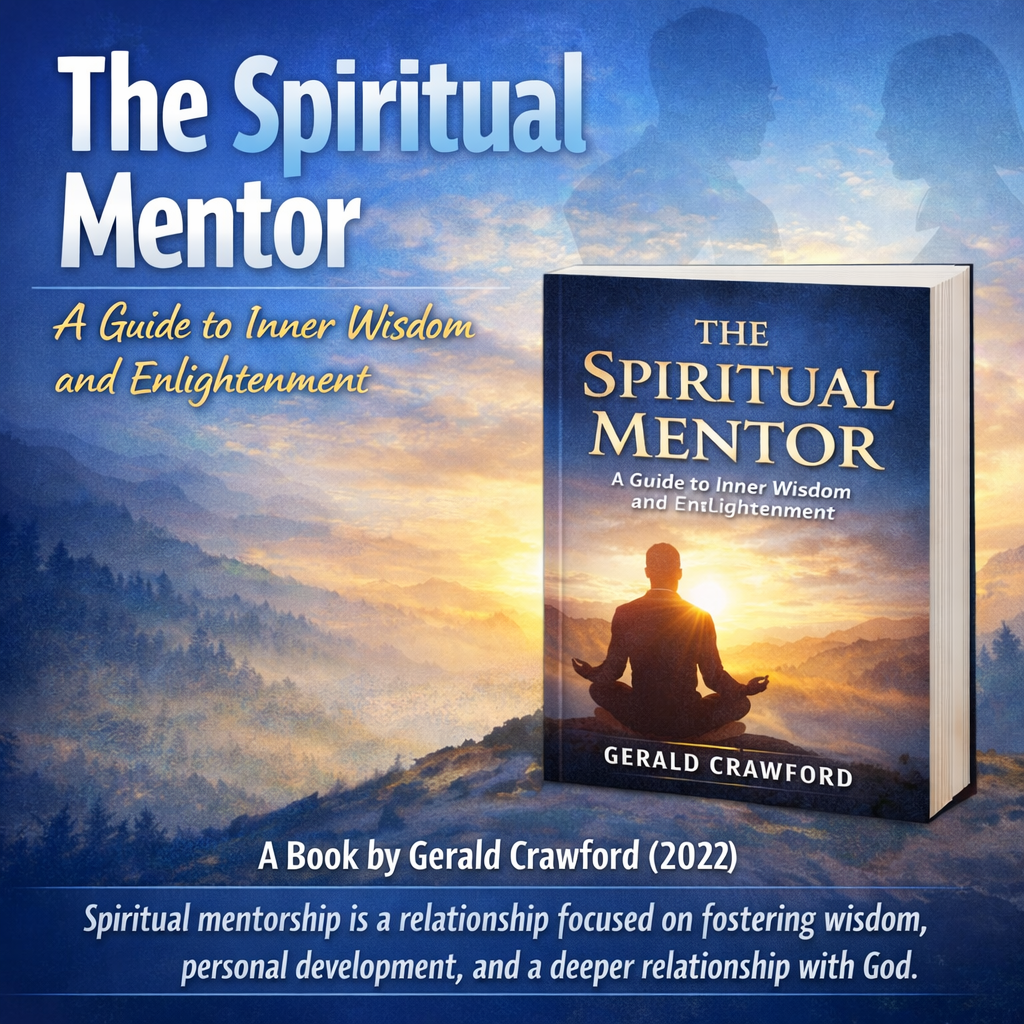
The Spiritual Mentor: A Guide to Inner Wisdom and Enlightenment - A Book by Gerald Crawford (2022 Edition)

Spiritual mentorship is a relationship where we focus on fostering wisdom, personal development, and a deeper relationship with God.

Page 13 of 34

Embracing Your Authentic Self – Embracing your uniqueness and individuality

Embracing your uniqueness and individuality is a powerful way to live a more authentic, fulfilling life. Let’s explore this idea further.

The Beauty of Uniqueness

You are one of a kind, with a distinct set of experiences, perspectives, and characteristics that make you who you are. Your uniqueness is what sets you apart from others and allows you to contribute to the world in your own special way.

The Pressure to Conform

However, many of us face pressure to conform to societal norms, expectations, or standards. We may feel like we need to fit in, be like everyone else, or meet certain criteria to be accepted. But when we try to conform, we can lose sight of our individuality and uniqueness.

The Power of Embracing Your Individuality

Embracing your uniqueness and individuality can have a profound impact on your life:

1. Confidence Boost: Celebrating your differences can help you develop a stronger sense of self and confidence.

2. Creative Expression: Embracing your individuality can unlock your creative potential and allow you to express yourself in unique and innovative ways.

3. Meaningful Connections: When you’re true to yourself, you’re more likely to attract people who appreciate and value you for who you are.

4. Personal Growth: Embracing your uniqueness can help you identify areas for growth and development, leading to greater self-awareness and personal evolution.

Practical Ways to Embrace Your Uniqueness

Here are some practical tips to help you celebrate your individuality:

1. Identify Your Strengths: Reflect on your strengths, talents, and passions. What makes you unique? What are you naturally good at?

2. Express Yourself Authentically: Find ways to express yourself genuinely, whether through art, writing, music, or conversation.

3. Take Risks and Try New Things: Step out of your comfort zone and try new experiences. This can help you discover new aspects of yourself and build confidence.

4. Surround Yourself with Positive Influences: Spend time with people who support and celebrate your individuality.

Embracing Your Quirks and Imperfections

Remember, your uniqueness includes your quirks, imperfections, and flaws. Rather than trying to hide or change them, consider embracing them as part of what makes you, you.

You Are Enough

Most importantly, remember that you are enough, just as you are. Your uniqueness is not something to be ashamed of, but rather something to be celebrated.

Embracing Your Authentic Self – Letting go of masks and pretenses

Embracing your authentic self can be a truly liberating experience. Let’s dive into it.

The Masks We Wear

Have you ever felt like you’re wearing a mask or pretending to be someone you’re not? Maybe you’re trying to fit in with a certain group, or you’re afraid of being judged or rejected if people see the real you. We all wear masks from time to time, but when we get stuck in these personas, it can lead to feelings of disconnection, anxiety, and burnout.

The Cost of Pretenses

Pretending to be someone you’re not can have some serious consequences:

1. Disconnection: When you’re not being your authentic self, you may feel disconnected from others and from your own thoughts, feelings, and desires.

2. Anxiety and Stress: Constantly trying to maintain a facade can be exhausting and lead to increased anxiety and stress levels.

3. Lack of Purpose: When you’re not being true to yourself, you may feel unfulfilled and uncertain about your life’s purpose.

The Power of Authenticity

On the other hand, embracing your authentic self can bring numerous benefits:

1. Freedom: Being yourself means you don’t have to worry about maintaining a facade or pretending to be someone you’re not.

2. Deeper Connections: When you’re authentic, you’re more likely to form meaningful, genuine connections with others.

3. Increased Confidence: Embracing your true self can boost your self-esteem and confidence.

4. Purpose and Fulfillment: Living authentically can help you discover your passions and values, leading to a more purposeful and fulfilling life.

Letting Go of Masks and Pretenses

So, how can you start embracing your authentic self? Here are some suggestions:

1. Self-Reflection: Take time to reflect on your values, passions, and goals. What makes you tick? What do you stand for?

2. Identify Your Masks: Become aware of the masks you wear and the situations that trigger them. Ask yourself, “What am I trying to achieve by being this way?”

3. Practice Self-Acceptance: Treat yourself with kindness and compassion, just as you would a close friend. Acknowledge your strengths and weaknesses, and accept yourself for who you are.

4. Take Small Risks: Start taking small risks to be yourself in low-stakes situations. Share your thoughts, feelings, or interests with others, and see how they respond.

5. Surround Yourself with Supportive People: Spend time with people who accept and appreciate you for who you are.

Embracing Your Authentic Self: A Journey

Remember, embracing your authentic self is a journey, not a destination. It takes time, effort, and patience. Be gentle with yourself, and don’t be afraid to make mistakes. Celebrate your successes, no matter how small they may seem.

Building Healthy Relationships – Introduction to conflict resolution and effective communication

Building Healthy Relationships: Introduction to Conflict Resolution and Effective Communication

Conflict resolution and effective communication are essential skills for building healthy relationships.

Why is Conflict Resolution Important?

1. Prevents escalation: conflict resolution can prevent conflicts from escalating.

2. Resolves issues: conflict resolution can resolve issues and improve relationships.

3. Builds trust: effective conflict resolution can build trust and strengthen relationships.

Effective Communication

1. Active listening: listen attentively to others and respond thoughtfully.

2. Clear and respectful communication: communicate clearly and respectfully.

3. Emotional intelligence: be aware of your emotions and those of others.

Conflict Resolution Strategies

1. Stay calm: remain calm and composed during conflicts.

2. Seek common ground: look for areas of agreement and try to find a mutually beneficial solution.

3. Communicate openly: communicate openly and honestly.

Benefits of Effective Conflict Resolution

1. Improved relationships: effective conflict resolution can improve relationships and build trust.

2. Increased understanding: effective conflict resolution can increase understanding and empathy.

3. Reduced stress: effective conflict resolution can reduce stress and anxiety.

Challenges of Conflict Resolution

1. Difficulty communicating: difficulty communicating can make conflict resolution challenging.

2. Emotional reactivity: emotional reactivity can make conflict resolution difficult.

Strategies for Effective Conflict Resolution

1. Practice active listening: practice active listening and respond thoughtfully.

2. Stay calm and composed: remain calm and composed during conflicts.

3. Seek common ground: look for areas of agreement and try to find a mutually beneficial solution.

Conclusion

Conflict resolution and effective communication are essential skills for building healthy relationships. By practicing active listening, staying calm and composed, and seeking common ground, you can resolve conflicts and improve relationships.

Building Healthy Relationships – Nurturing meaningful relationships and community

Building Healthy Relationships: Nurturing Meaningful Relationships and Community

Nurturing meaningful relationships and community is essential for building healthy relationships.

Why Nurture Meaningful Relationships?

1. Support and connection: meaningful relationships provide support and connection.

2. Emotional well-being: meaningful relationships contribute to emotional well-being.

3. Sense of belonging: meaningful relationships give you a sense of belonging.

How to Nurture Meaningful Relationships

1. Communicate effectively: communicate openly and honestly.

2. Show appreciation: show appreciation and gratitude.

3. Spend quality time: spend quality time with loved ones.

Building Community

1. Join groups or clubs: join groups or clubs that align with your interests.

2. Volunteer: volunteer to meet like-minded people.

3. Attend events: attend events and gatherings.

Benefits of Nurturing Meaningful Relationships and Community

1. Improved mental health: nurturing meaningful relationships and community can improve mental health.

2. Increased sense of belonging: nurturing meaningful relationships and community can give you a sense of belonging.

3. Support system: nurturing meaningful relationships and community can provide a support system.

Challenges of Building Healthy Relationships

1. Difficulty connecting with others: difficulty connecting with others can make it challenging to build healthy relationships.

2. Conflicting values: conflicting values can create tension in relationships.

Strategies for Building Healthy Relationships

1. Practice empathy: practice empathy and understanding.

2. Be open-minded: be open-minded and willing to listen.

3. Prioritize relationships: prioritize relationships and make time for loved ones.

Conclusion

Nurturing meaningful relationships and community is essential for building healthy relationships. By communicating effectively, showing appreciation, and spending quality time with loved ones, you can build strong, fulfilling relationships.

Building Healthy Relationships – Creating healthy boundaries and communication patterns

Building Healthy Relationships: Creating Healthy Boundaries and Communication Patterns

Healthy relationships are built on mutual respect, trust, and effective communication.

Creating Healthy Boundaries

1. Identify your needs: know what you need and want in a relationship.

2. Communicate your boundaries: clearly communicate your boundaries to others.

3. Respect others’ boundaries: respect the boundaries of others.

Effective Communication Patterns

1. Active listening: listen attentively to others and respond thoughtfully.

2. Clear and respectful communication: communicate clearly and respectfully.

3. Emotional intelligence: be aware of your emotions and those of others.

Benefits of Healthy Relationships

1. Increased trust: healthy relationships build trust and strengthen bonds.

2. Improved communication: healthy relationships promote effective communication.

3. Greater sense of well-being: healthy relationships contribute to overall well-being.

Challenges of Building Healthy Relationships

1. Difficulty setting boundaries: setting boundaries can be challenging, especially if you’re not used to prioritizing your own needs.

2. Fear of conflict: fear of conflict can lead to unhealthy communication patterns.

Strategies for Building Healthy Relationships

1. Practice self-awareness: understand your own needs, emotions, and communication style.

2. Seek support: seek support from friends, family, or a therapist.

3. Be patient and flexible: building healthy relationships takes time and effort.

Conclusion

Building healthy relationships requires effort, patience, and a willingness to prioritize your own needs and communicate effectively. By creating healthy boundaries, practicing effective communication patterns, and being patient and flexible, you can build strong, fulfilling relationships.

« Older posts Newer posts »

Step-up and get your seat on my VIP Spiritual Mentorship Program for 2026

X
Back a Buddy Show your Support