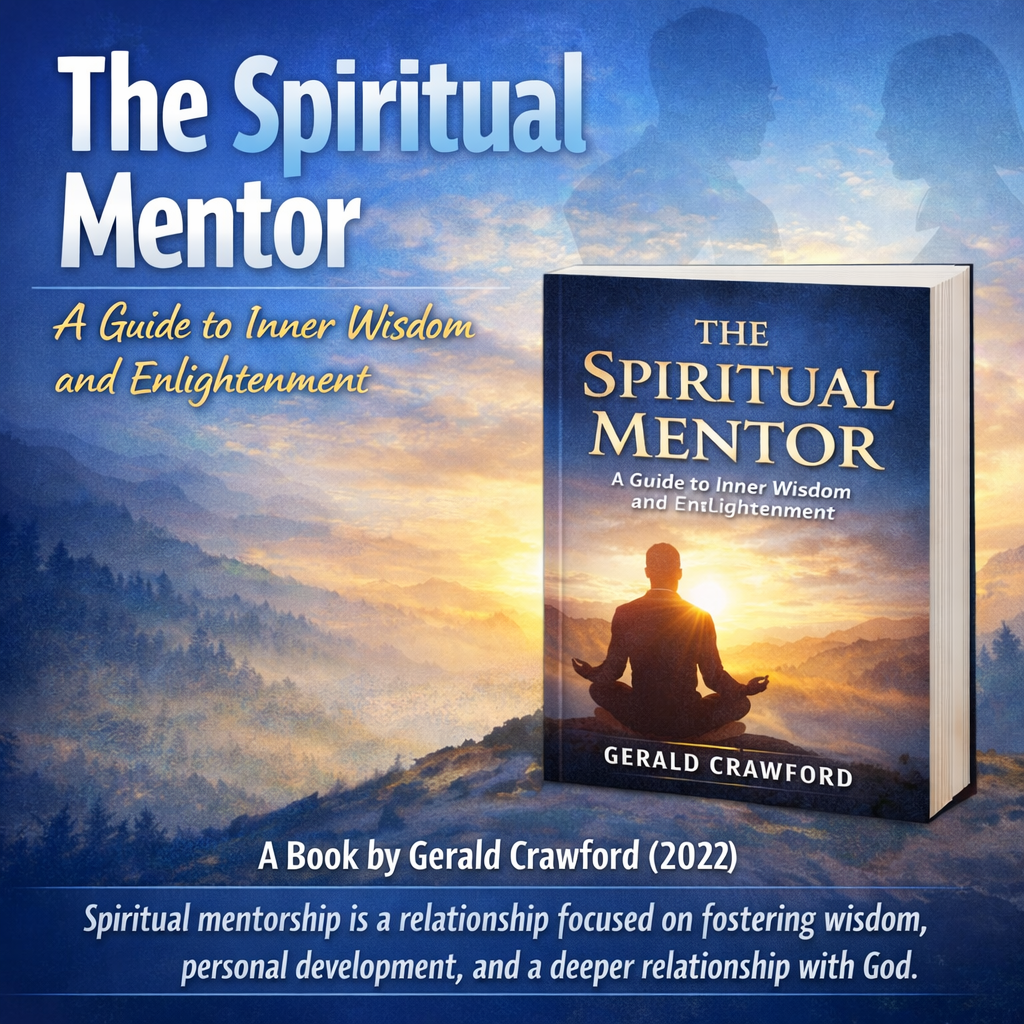
The Spiritual Mentor: A Guide to Inner Wisdom and Enlightenment - A Book by Gerald Crawford (2022 Edition)

Spiritual mentorship is a relationship where we focus on fostering wisdom, personal development, and a deeper relationship with God.

Page 9 of 34

Remember, You Are Not Alone – Spiritual resources: Utilize spiritual resources, such as books, podcasts, and online courses.

I’m glad you’re looking to utilize spiritual resources to support your journey.

There are many wonderful resources available that can provide guidance, inspiration, and motivation to help you deepen your spiritual practice.

Here are some spiritual resources you might find helpful:

1. Books: There are countless books on spirituality, personal growth, and mindfulness that can offer valuable insights and perspectives. Some popular authors include Eckhart Tolle, Deepak Chopra, and Brené Brown.

2. Podcasts: Podcasts are a great way to access spiritual content on-the-go. Some popular spiritual podcasts include The Tim Ferriss Show, The School of Greatness with Lewis Howes, and The Mindful Kind.

3. Online courses: Online courses can provide a structured learning experience, allowing you to explore specific topics in-depth. Websites like Udemy, Coursera, and LinkedIn Learning offer a wide range of spiritual and personal development courses.

4. Meditation and mindfulness apps: Apps like Headspace, Calm, and Insight Timer offer guided meditations, mindfulness exercises, and relaxing music to help you cultivate a sense of inner peace.

5. Spiritual websites and blogs: Websites like Spirituality & Health, MindBodyGreen, and Elephant Journal offer a wealth of articles, videos, and podcasts on spirituality, wellness, and personal growth.

6. YouTube channels: YouTube channels like Yoga With Adriene, The Mindful Movement, and Gaia offer a range of spiritual and wellness content, including yoga classes, meditation sessions, and inspirational talks.

7. Audiobooks: Audiobooks can be a great way to consume spiritual content while commuting, exercising, or doing chores. Platforms like Audible and Scribd offer a wide range of spiritual and personal development audiobooks.

Some popular spiritual topics to explore include:

1. Mindfulness and meditation: Learn techniques to cultivate presence, calm, and inner peace.

2. Energy healing: Explore modalities like Reiki, qigong, and sound healing to balance and align your energy.

3. Spiritual growth: Discover strategies for personal growth, self-awareness, and spiritual evolution.

4. Yoga and breathwork: Learn various yoga styles, breathwork techniques, and movement practices to cultivate physical, mental, and emotional well-being.

5. Intuition and psychic development: Develop your intuition, psychic abilities, and connection to the universe.

Remember, the key is to find resources that resonate with you and your spiritual journey. Experiment with different formats, topics, and teachers to find what works best for you. And always keep in mind that you are not alone – there are many others on this journey who can offer support, guidance, and inspiration along the way.

Encouragement for Continued Growth – Celebrate your progress: Acknowledge and celebrate your spiritual growth and progress.

Celebrate your progress. Acknowledging and honoring your spiritual growth and achievements is essential for continued development and motivation. By recognizing your progress, you’ll:

1. Reinforce Positive Habits: Celebrating your accomplishments will help solidify the positive habits and practices that have contributed to your growth, making it more likely that you’ll continue to incorporate them into your daily life.

2. Boost Confidence and Motivation: Acknowledging your progress can give you a sense of pride and confidence, motivating you to continue working towards your goals and aspirations.

3. Gain Perspective and Insight: Reflecting on your journey and celebrating your progress can provide valuable insights into what’s working and what areas may need improvement, helping you refine your approach and make adjustments as needed.

4. Develop a Growth Mindset: Focusing on your progress and celebrating your achievements will help you cultivate a growth mindset, embracing challenges as opportunities for growth and development rather than threats to your ego.

5. Enhance Self-Awareness: Regularly acknowledging and celebrating your progress can increase your self-awareness, helping you better understand your strengths, weaknesses, values, and goals.

To celebrate your progress effectively:

1. Set Milestones and Markers: Establish specific milestones and markers to track your progress, providing a clear sense of accomplishment and motivation.

2. Practice Gratitude: Reflect on the things you’re grateful for, no matter how small they may seem, and acknowledge the role they’ve played in your growth and development.

3. Treat Yourself: Reward yourself with something special, like a relaxing bath, a good book, or a fun activity, to commemorate your progress and milestones.

4. Share Your Successes: Share your achievements with friends, family, or a mentor, allowing you to celebrate with others and gain their support and encouragement.

5. Reflect and Journal: Regularly take time to reflect on your journey, writing down your thoughts, feelings, and insights in a journal or log, helping you process your experiences and identify areas for further growth.

Some ideas for celebrating your progress include:

* Creating a vision board or collage to represent your goals and achievements

* Writing a letter to yourself or a trusted friend, highlighting your accomplishments and progress

* Engaging in a fun, creative activity, like painting, drawing, or photography, to express your growth and emotions

* Planning a special outing or trip to mark a significant milestone or achievement

* Simply taking a moment to breathe, relax, and appreciate the present moment, acknowledging the progress you’ve made and the growth you’ve experienced.

Remember, celebrating your progress is not about being self-centered or arrogant; it’s about acknowledging your hard work, dedication, and commitment to your spiritual growth and development. By honoring your progress, you’ll be more likely to stay motivated, focused, and inspired to continue growing and evolving as an individual.

Encouragement for Continued Growth – Seek support: Don’t hesitate to seek support from spiritual guides, mentors, or like-minded individuals.

Seeking support is a wonderful way to foster continued growth and development, both personally and spiritually.

Surrounding yourself with positive influences and like-minded individuals can provide numerous benefits, including:

1. Guidance and Mentorship: Spiritual guides and mentors can offer valuable insights, share their experiences, and provide guidance on your journey, helping you navigate challenges and make informed decisions.

2. Accountability and Motivation: Being part of a community or having a supportive network can help you stay motivated and accountable, encouraging you to continue working towards your goals and aspirations.

3. Diverse Perspectives and Ideas: Interacting with individuals from different backgrounds and with varying experiences can broaden your understanding, introduce new ideas, and help you develop a more holistic approach to personal growth.

4. Emotional Support and Connection: Sharing your thoughts, feelings, and experiences with others can create a sense of belonging, help you feel less isolated, and provide emotional support during times of need.

5. Inspiration and Role Models: Being around positive, inspiring individuals can motivate you to strive for excellence, adopt new habits, and cultivate a growth mindset.

To seek support effectively:

1. Be Open and Honest: Share your thoughts, feelings, and concerns with your support network, and be receptive to their feedback and guidance.

2. Attend Workshops and Retreats: Participate in events, conferences, and retreats that align with your interests and values, providing opportunities to meet like-minded individuals and learn from experts.

3. Join Online Communities: Engage with online forums, social media groups, and podcasts that focus on personal growth, spirituality, and self-improvement.

4. Schedule Regular Check-Ins: Regularly meet with your mentors, guides, or support group to discuss progress, challenges, and goals, helping you stay on track and motivated.

5. Be Patient and Kind to Yourself: Remember that growth is a journey, and it’s essential to be patient, compassionate, and understanding with yourself as you navigate your path.

By seeking support and surrounding yourself with positive influences, you’ll be more likely to:

* Stay motivated and focused on your goals

* Develop a stronger sense of purpose and direction

* Cultivate resilience and perseverance in the face of challenges

* Foster meaningful relationships and connections

* Continue growing, learning, and evolving as an individual

Remember, seeking support is a sign of strength, not weakness. It takes courage to acknowledge the need for guidance and to be open to new experiences and perspectives. By embracing this mindset, you’ll be more likely to achieve your full potential and live a fulfilling, purpose-driven life.

Encouragement for Continued Growth – Trust your intuition: Continue to trust your inner voice and intuition.

Trust Your Intuition: Unlocking Personal Growth

Trusting your intuition is a powerful catalyst for continued growth and self-discovery. By listening to your inner voice, you can tap into your innate wisdom, make informed decisions, and navigate life’s challenges with confidence.

Why Trust Your Intuition?

1. Inner Guidance: Your intuition is a unique source of guidance that can help you make decisions that align with your values, goals, and aspirations.

2. Increased Self-Awareness: By trusting your intuition, you become more attuned to your thoughts, emotions, and behaviors, leading to a deeper understanding of yourself and your place in the world.

3. Improved Decision-Making: Intuition can help you make decisions that are not solely based on logic or reason, but also on your emotional and instinctual intelligence.

4. Enhanced Creativity: Trusting your intuition can foster creativity, innovation, and problem-solving skills, as you’re more open to new ideas and perspectives.

5. Greater Confidence: By trusting your intuition, you’ll become more confident in your abilities, more self-assured, and better equipped to handle uncertainty and change.

How to Cultivate Trust in Your Intuition

1. Practice Mindfulness: Regular mindfulness practices, such as meditation or deep breathing, can help you tune into your intuition and quiet the mind.

2. Listen to Your Body: Pay attention to your physical sensations, emotions, and gut feelings, as they can often provide valuable insights and guidance.

3. Reflect on Your Experiences: Take time to reflect on your past experiences, successes, and challenges, and look for patterns and lessons that can inform your intuition.

4. Seek Feedback: Surround yourself with supportive people who can offer constructive feedback and help you develop your intuition.

5. Trust Your Instincts: Start small by trusting your instincts in low-stakes situations, and gradually build up to more significant decisions.

Remember

Trusting your intuition is a journey, not a destination. It takes time, patience, and practice to develop your inner voice and confidence in your decision-making abilities. Be gentle with yourself, and remember that it’s okay to make mistakes – they’re an essential part of the growth process.

By embracing your intuition and trusting your inner voice, you’ll unlock a deeper level of self-awareness, creativity, and confidence, empowering you to make intentional decisions and live a more authentic, fulfilling life.

Opening Up Your Spiritual Path – How to Find Purpose and Meaning

Finding purpose and meaning: discovering your life’s purpose and living a life that aligns with your values and passions.

Finding purpose and meaning is a fundamental aspect of opening up your spiritual path.

Here are some steps to help you discover your purpose and meaning:

1. Reflect on your values: Identify what is most important to you in life, such as family, health, or personal growth. Your values can serve as a guide for finding purpose and meaning.

2. Explore your passions: Think about what activities make you feel most alive and engaged. Your passions can give you clues about your purpose and meaning.

3. Identify your strengths: Recognize your natural talents and abilities. Your strengths can help you find ways to make a positive impact in the world.

4. Consider your long-term goals: Think about what you want to achieve in your life, and what kind of person you want to become. Your long-term goals can help you find direction and purpose.

5. Practice mindfulness and meditation: Mindfulness and meditation can help you tune into your inner self and gain clarity on your purpose and meaning.

6. Seek inspiration from others: Read stories of people who have found purpose and meaning in their lives, and learn from their experiences.

7. Take risks and try new things: Don’t be afraid to step out of your comfort zone and try new activities, hobbies, or careers. This can help you discover new passions and interests.

8. Cultivate gratitude and appreciation: Focus on the good things in your life, and express gratitude for what you have. This can help you find meaning and purpose in the present moment.

9. Seek guidance from spiritual teachers or mentors: If you’re struggling to find purpose and meaning, consider seeking guidance from spiritual teachers or mentors who can offer you support and guidance.

10. Trust your intuition: Ultimately, trust your intuition and listen to your inner voice. Your intuition can guide you towards your purpose and meaning.

Additional Tips

* Be patient and don’t expect to find your purpose and meaning overnight. It’s a journey, and it may take time to discover.

* Don’t be afraid to make mistakes or try new things. This is all part of the process of finding purpose and meaning.

* Remember that your purpose and meaning may evolve over time, and that’s okay. Be open to change and growth.

* Focus on the present moment, and find meaning and purpose in what you’re doing right now.

* Surround yourself with people who support and encourage you on your journey.

Benefits of Finding Purpose and Meaning

* Increased sense of direction and focus

* Greater sense of fulfillment and satisfaction

* Improved mental and emotional well-being

* Increased sense of connection to yourself and others

* Greater sense of purpose and passion

* Improved relationships and communication

Examples of Finding Purpose and Meaning

* Volunteering for a cause you care about

* Pursuing a career or hobby that aligns with your values and passions

* Building meaningful relationships with others

* Practicing mindfulness and meditation to cultivate inner peace and clarity

* Traveling or exploring new places to broaden your perspective

* Writing or journaling to express yourself and reflect on your experiences

I hope these tips and suggestions are helpful in finding purpose and meaning on your spiritual path. Remember that it’s a journey, and it’s okay to take your time and explore different options.

« Older posts Newer posts »

Step-up and get your seat on my VIP Spiritual Mentorship Program for 2026

X
Back a Buddy Show your Support