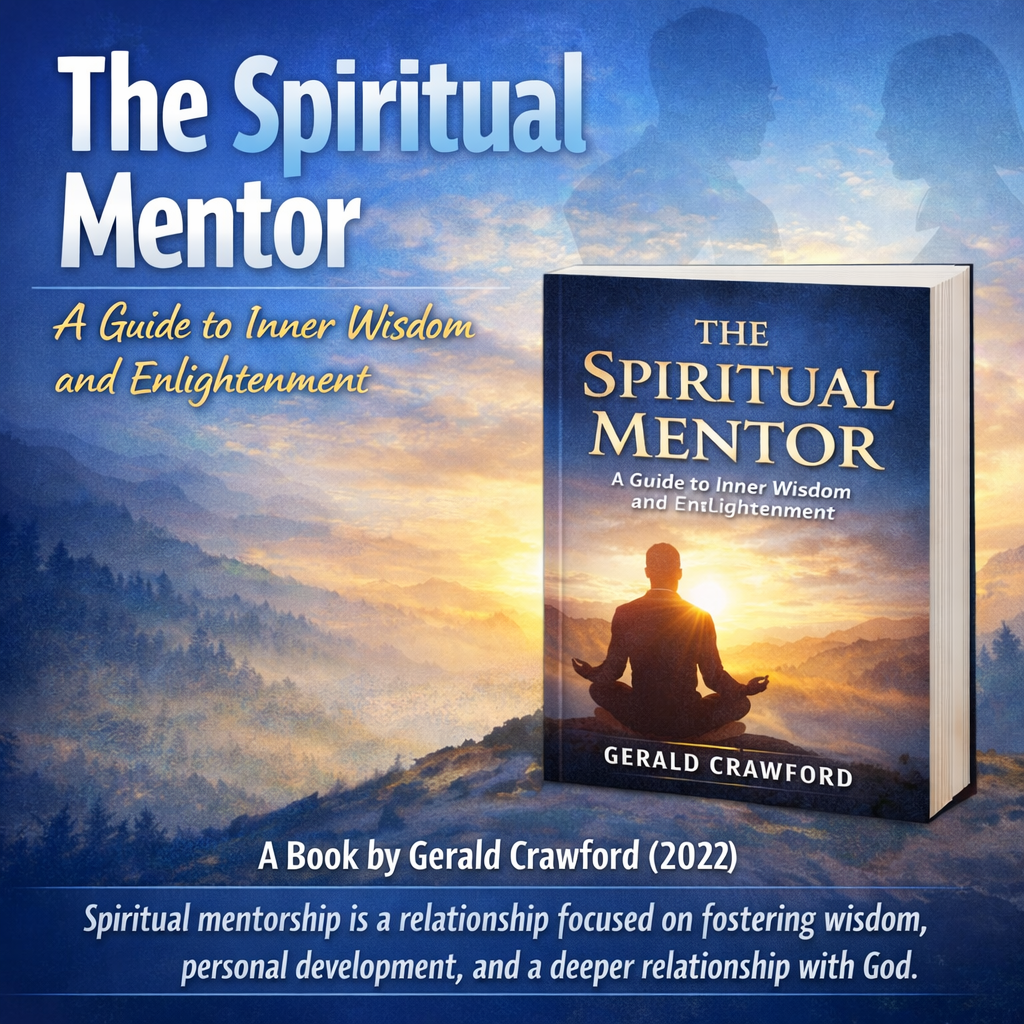
The Spiritual Mentor: A Guide to Inner Wisdom and Enlightenment - A Book by Gerald Crawford (2022 Edition)

Spiritual mentorship is a relationship where we focus on fostering wisdom, personal development, and a deeper relationship with God.

Page 8 of 34

Benefits of Gratitude for you is a Greater sense of Purpose

Greater sense of Purpose

Gratitude can help you find meaning and purpose in life.

Cultivating gratitude can have a profound impact on your sense of purpose, helping you discover a deeper meaning and direction in life. Here are some of the benefits of gratitude for a greater sense of purpose:

Benefits of Gratitude for a Greater Sense of Purpose

1. Clarifies Values: Gratitude helps you identify and prioritize your values, which are essential for discovering your purpose.

2. Increases Self-Awareness: Practicing gratitude increases self-awareness, allowing you to better understand your strengths, weaknesses, and passions, which are crucial for finding your purpose.

3. Fosters Meaning: Gratitude helps you find meaning in your life, even in difficult times, by focusing on the positive aspects of your experiences.

4. Encourages Reflection: Gratitude encourages reflection on your experiences, helping you identify patterns, themes, and areas for growth, which can lead to a greater sense of purpose.

5. Boosts Motivation: Gratitude can increase motivation, as you become more aware of your values, passions, and strengths, and feel more inspired to pursue your goals.

6. Cultivates Positive Relationships: Gratitude can help you build stronger, more positive relationships, which are essential for finding support, guidance, and a sense of belonging, all of which can contribute to a greater sense of purpose.

7. Helps You Find Your Why: Gratitude can help you discover your “why,” or the reason behind your actions, goals, and aspirations, which is essential for finding purpose and direction.

Ways to Practice Gratitude for a Greater Sense of Purpose

1. Reflect on Your Values: Take time to reflect on your values, and identify what’s most important to you. Then, focus on cultivating gratitude for the people, experiences, and opportunities that align with those values.

2. Keep a Gratitude Journal: Write down three things you’re thankful for each day, and reflect on how they relate to your values, passions, and strengths.

3. Practice Mindfulness: Practice mindfulness meditation or deep breathing exercises to increase self-awareness and help you stay present in the moment.

4. Celebrate Your Successes: Celebrate your successes, no matter how small they may seem, and reflect on what you’re grateful for in those experiences.

5. Seek Out New Experiences: Seek out new experiences, challenges, and opportunities, and focus on cultivating gratitude for the lessons, growth, and connections that come from them.

Tips for Making Gratitude a Part of Your Purpose-Finding Journey

1. Start Small: Begin by practicing gratitude in small ways, such as sharing three things you’re thankful for with a friend or family member.

2. Be Patient: Remember that finding your purpose is a journey, and it takes time, patience, and self-reflection.

3. Stay Consistent: Consistently practice gratitude, even when it’s challenging, to help you stay focused on your values, passions, and strengths.

4. Seek Support: Surround yourself with supportive people who encourage and support your gratitude practice, and help you stay accountable on your purpose-finding journey.

5. Trust the Process: Trust that the process of cultivating gratitude will lead you to a greater sense of purpose, and have faith that the journey will be worth it.

By incorporating gratitude into your daily life, you can cultivate a greater sense of purpose. Remember, it’s a journey, and it takes time, patience, and self-reflection to discover your why and live a life that truly reflects your values and passions.


Benefits of Gratitude for you is Increased Resilience

Increased Resilience

Gratitude can help you cope with challenges and setbacks.

Practicing gratitude can have a profound impact on your relationships, helping to strengthen bonds, improve communication, and foster a sense of community and connection. Here are some of the benefits of gratitude for stronger relationships:

Benefits of Gratitude in Relationships

1. Deeper Connections: Focusing on what you’re thankful for in your relationships can help you develop a deeper understanding and appreciation of the people in your life.

2. Improved Communication: Practicing gratitude can improve communication by encouraging active listening, empathy, and openness, leading to more effective and meaningful interactions.

3. Increased Empathy: Gratitude can help you see things from another person’s perspective, fostering empathy and compassion in your relationships.

4. Stronger Bonds: Expressing gratitude towards others can strengthen bonds and create a sense of closeness, as people feel seen, heard, and appreciated.

5. Reduced Conflict: Focusing on what you’re thankful for can help reduce conflict by shifting your attention away from negative thoughts and emotions, and towards the positive aspects of your relationships.

6. Increased Appreciation: Gratitude can help you appreciate the people in your life, even in difficult times, leading to more resilient and enduring relationships.

7. Better Conflict Resolution: Practicing gratitude can help you approach conflicts with a more positive and solution-focused mindset, leading to more effective conflict resolution.

Ways to Practice Gratitude in Relationships

1. Express Appreciation: Regularly express gratitude towards your partner, friends, family, and colleagues, whether through words, actions, or small gestures.

2. Write Thank-You Notes: Write heartfelt thank-you notes or letters to the people in your life, expressing your appreciation for their presence and support.

3. Celebrate Milestones: Celebrate milestones and special occasions with the people in your life, acknowledging the importance of these events and the people who make them special.

4. Show Gratitude in Actions: Show gratitude through your actions, such as surprising a loved one with their favorite meal or offering to help with a task.

5. Practice Active Listening: Practice active listening by fully engaging with the people in your life, asking open-ended questions, and showing genuine interest in their thoughts and feelings.

Tips for Making Gratitude a Part of Your Relationships

1. Make it a Habit: Incorporate gratitude into your daily interactions, such as sharing three things you’re thankful for at dinner time or before bed.

2. Be Specific: Focus on specific things you’re thankful for in your relationships, such as a partner’s support or a friend’s sense of humor.

3. Be Consistent: Consistently practice gratitude in your relationships, even in difficult times, to build trust and strengthen bonds.

4. Show Appreciation: Show appreciation for the people in your life, even in small ways, such as surprise gifts or acts of kindness.

5. Celebrate Together: Celebrate the things you’re thankful for together, such as sharing a special meal or going on a gratitude-filled outing.

By incorporating gratitude into your relationships, you can foster deeper connections, improve communication, and strengthen bonds with the people in your life. Remember, it’s the small, thoughtful gestures that can add up to make a big difference over time.

Benefits of Gratitude leads to Stronger Relationships

Stronger Relationships

Expressing gratitude can strengthen relationships and build connections with others.

Practicing gratitude can have a profound impact on your relationships, helping to strengthen bonds, improve communication, and foster a sense of community and connection. Here are some of the benefits of gratitude for stronger relationships:

Benefits of Gratitude in Relationships

1. Deeper Connections: Focusing on what you’re thankful for in your relationships can help you develop a deeper understanding and appreciation of the people in your life.

2. Improved Communication: Practicing gratitude can improve communication by encouraging active listening, empathy, and openness, leading to more effective and meaningful interactions.

3. Increased Empathy: Gratitude can help you see things from another person’s perspective, fostering empathy and compassion in your relationships.

4. Stronger Bonds: Expressing gratitude towards others can strengthen bonds and create a sense of closeness, as people feel seen, heard, and appreciated.

5. Reduced Conflict: Focusing on what you’re thankful for can help reduce conflict by shifting your attention away from negative thoughts and emotions, and towards the positive aspects of your relationships.

6. Increased Appreciation: Gratitude can help you appreciate the people in your life, even in difficult times, leading to more resilient and enduring relationships.

7. Better Conflict Resolution: Practicing gratitude can help you approach conflicts with a more positive and solution-focused mindset, leading to more effective conflict resolution.

Ways to Practice Gratitude in Relationships

1. Express Appreciation: Regularly express gratitude towards your partner, friends, family, and colleagues, whether through words, actions, or small gestures.

2. Write Thank-You Notes: Write heartfelt thank-you notes or letters to the people in your life, expressing your appreciation for their presence and support.

3. Celebrate Milestones: Celebrate milestones and special occasions with the people in your life, acknowledging the importance of these events and the people who make them special.

4. Show Gratitude in Actions: Show gratitude through your actions, such as surprising a loved one with their favorite meal or offering to help with a task.

5. Practice Active Listening: Practice active listening by fully engaging with the people in your life, asking open-ended questions, and showing genuine interest in their thoughts and feelings.

Tips for Making Gratitude a Part of Your Relationships

1. Make it a Habit: Incorporate gratitude into your daily interactions, such as sharing three things you’re thankful for at dinner time or before bed.

2. Be Specific: Focus on specific things you’re thankful for in your relationships, such as a partner’s support or a friend’s sense of humor.

3. Be Consistent: Consistently practice gratitude in your relationships, even in difficult times, to build trust and strengthen bonds.

4. Show Appreciation: Show appreciation for the people in your life, even in small ways, such as surprise gifts or acts of kindness.

5. Celebrate Together: Celebrate the things you’re thankful for together, such as sharing a special meal or going on a gratitude-filled outing.

By incorporating gratitude into your relationships, you can foster deeper connections, improve communication, and strengthen bonds with the people in your life. Remember, it’s the small, thoughtful gestures that can add up to make a big difference over time.

Benefits of Gratitude for your Mental Health

Mental Health

Gratitude has been linked to reduced stress, anxiety, and depression.

Practicing gratitude can have a significant impact on your mental health and well-being. Focusing on what you’re thankful for can help shift your perspective, improve your mood, and even reduce symptoms of anxiety and depression. Here are some of the benefits of gratitude for your mental health:

Benefits of Gratitude

1. Improved Mood: Practicing gratitude can increase feelings of happiness, joy, and contentment, while reducing symptoms of depression and anxiety.

2. Reduced Stress: Focusing on what you’re thankful for can help calm your mind and body, reducing stress and promoting relaxation.

3. Increased Resilience: Gratitude can help you develop a more positive outlook, making it easier to bounce back from challenges and setbacks.

4. Better Sleep: Practicing gratitude before bed can improve sleep quality, duration, and depth, leading to better overall health and well-being.

5. Stronger Relationships: Focusing on what you’re thankful for in your relationships can strengthen bonds, improve communication, and foster a sense of community and connection.

6. Increased Self-Esteem: Practicing gratitude can help you develop a more positive self-image, boosting self-confidence and self-worth.

7. Reduced Symptoms of Anxiety and Depression: Gratitude has been shown to reduce symptoms of anxiety and depression, including reduced rumination, worry, and negative thinking.

Ways to Practice Gratitude

1. Gratitude Journal: Write down three things you’re thankful for each day, no matter how small they may seem.

2. Share Gratitude with Others: Express your appreciation to a friend, family member, or colleague, either in person or through a kind note.

3. Mindfulness and Meditation: Focus on the present moment, noticing the small joys and blessings in your life.

4. Gratitude Jar: Write down things you’re thankful for on slips of paper and put them in a jar, reading them when you need a boost.

5. Gratitude Rituals: Develop a daily or weekly ritual, such as sharing gratitude at mealtime or before bed, to make gratitude a consistent part of your routine.

Tips for Making Gratitude a Habit

1. Start Small: Begin with small, manageable practices, such as writing down three things you’re thankful for each day.

2. Make it a Habit: Incorporate gratitude into your daily routine, such as right after waking up or before bed.

3. Be Specific: Focus on specific things you’re thankful for, rather than general statements.

4. Find a Gratitude Buddy: Share your gratitude practice with a friend or family member to stay accountable and motivated.

5. Celebrate Milestones: Acknowledge and celebrate your gratitude milestones, such as reaching a certain number of days or weeks of consistent practice.

By incorporating gratitude into your daily life, you can experience these benefits and improve your mental health and well-being. Remember, it’s the small, consistent practices that can add up to make a big difference over time.

Remember, You Are Not Alone – Inner guidance: Trust your inner guidance and wisdom.

Trusting your inner guidance and wisdom is a powerful way to navigate life’s challenges and make decisions that align with your values and goals. Your inner guidance is like a compass that points you in the right direction, helping you stay on track and make choices that support your well-being and happiness.

Trusting your inner guidance requires:

1. Self-awareness: Developing a deep understanding of your thoughts, feelings, and values is essential to trusting your inner guidance. Take time to reflect on your strengths, weaknesses, and passions.

2. Intuition: Cultivate your intuition by listening to your gut feelings, hunches, and instincts. Pay attention to your body’s physical sensations, such as a knot in your stomach or a sense of excitement.

3. Mindfulness: Practice mindfulness to quiet your mind and tune into your inner wisdom. Regular mindfulness practice can help you become more aware of your thoughts, emotions, and bodily sensations.

4. Self-trust: Build trust in yourself by acknowledging and honoring your inner guidance. Recognize that your inner wisdom is unique to you and has your best interests at heart.

5. Patience: Trusting your inner guidance takes time and patience. Don’t expect immediate answers or solutions. Allow yourself to explore, reflect, and listen to your inner voice.

Benefits of trusting your inner guidance include:

1. Increased confidence: When you trust your inner guidance, you become more confident in your decisions and actions.

2. Improved decision-making: Your inner guidance can help you make choices that align with your values, goals, and aspirations.

3. Greater self-awareness: Trusting your inner guidance fosters a deeper understanding of yourself, your strengths, and your weaknesses.

4. Enhanced creativity: Your inner guidance can inspire creativity, innovation, and new perspectives.

5. More peace and calm: When you trust your inner guidance, you’re more likely to feel a sense of peace and calm, even in challenging situations.

To tap into your inner guidance, try the following exercises:

1. Meditation: Regular meditation practice can help you connect with your inner wisdom.

2. Journaling: Write down your thoughts, feelings, and insights to reflect on your inner guidance.

3. Nature connection: Spend time in nature to cultivate a sense of calm and connection to your inner self.

4. Body scan: Pay attention to your body’s physical sensations to tap into your intuition and inner guidance.

5. Solitude: Take time for solitude and quiet reflection to listen to your inner voice.

Remember, trusting your inner guidance is a journey, and it’s okay to take your time. Be gentle with yourself, and don’t be afraid to explore and learn as you go. You are not alone, and your inner guidance is always available to support and guide you.

« Older posts Newer posts »

Step-up and get your seat on my VIP Spiritual Mentorship Program for 2026

X
Back a Buddy Show your Support